


Page 29 - Nursing: The Philosophy and Science of Caring
P. 29
B ac kg r o u n d


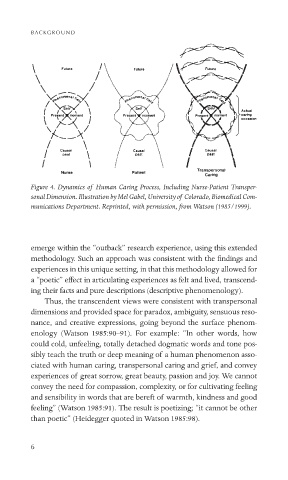
           Figure 4. Dynamics of  Human Caring Process, Including Nurse-Patient Transper-
           sonal Dimension. Illustration by Mel Gabel, University of  Colorado, Biomedical Com-
           munications Department. Reprinted, with permission, from Watson (1985/1999).


           emerge within the “outback” research experience, using this extended
           methodology. Such an approach was consistent with the findings and
           experiences in this unique setting, in that this methodology allowed for
           a “poetic” effect in articulating experiences as felt and lived, transcend-
           ing their facts and pure descriptions (descriptive phenomenology).
              Thus, the transcendent views were consistent with transpersonal
           dimensions and provided space for paradox, ambiguity, sensuous reso-
           nance, and creative expressions, going beyond the surface phenom-
           enology  (Watson  1985:90–91).  For  example:  “In  other  words,  how
           could cold, unfeeling, totally detached dogmatic words and tone pos-
           sibly teach the truth or deep meaning of a human phenomenon asso-
           ciated with human caring, transpersonal caring and grief, and convey
           experiences of great sorrow, great beauty, passion and joy. We cannot
           convey the need for compassion, complexity, or for cultivating feeling
           and sensibility in words that are bereft of warmth, kindness and good
           feeling” (Watson 1985:91). The result is poetizing; “it cannot be other
           than poetic” (Heidegger quoted in Watson 1985:98).

