


Page 1203 - (ISC)² CISSP Certified Information Systems Security Professional Official Study Guide
P. 1203
chapter) are examples.


               SYN Flood Attack

               The SYN flood attack is a common DoS attack. It disrupts the
               standard three-way handshake used by Transmission Control Protocol

               (TCP) to initiate communication sessions. Normally, a client sends a
               SYN (synchronize) packet to a server, the server responds with a
               SYN/ACK (synchronize/acknowledge) packet to the client, and the
               client then responds with an ACK (acknowledge) packet back to the
               server. This three-way handshake establishes a communication

               session that the two systems use for data transfer until the session is
               terminated with FIN (finish) or RST (reset) packets.

               However, in a SYN flood attack, the attackers send multiple SYN
               packets but never complete the connection with an ACK. This is
               similar to a jokester sticking his hand out to shake hands, but when
               the other person sticks his hand out in response, the jokester pulls his
               hand back, leaving the other person hanging.

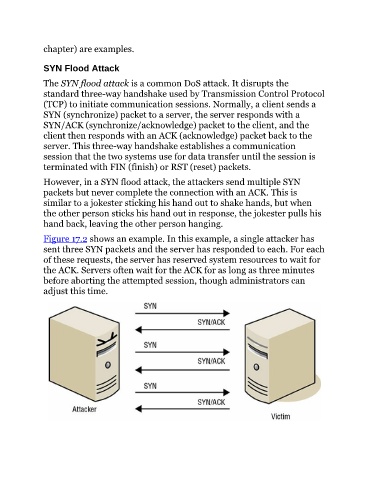
               Figure 17.2 shows an example. In this example, a single attacker has

               sent three SYN packets and the server has responded to each. For each
               of these requests, the server has reserved system resources to wait for
               the ACK. Servers often wait for the ACK for as long as three minutes
               before aborting the attempted session, though administrators can
               adjust this time.

