


Page 296 - Basic Principles of Textile Coloration
P. 296
DYEING MODIFIED NYLONS 285

CH2  OH           OH           OH                           OH
             CH2          CH2          CH2                          CH2

     SO3          SO2          SO3                          SO2

                                                  OH                SO3
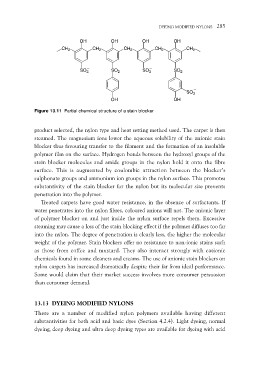
Figure 13.11 Partial chemical structure of a stain blocker  OH

product selected, the nylon type and heat setting method used. The carpet is then
steamed. The magnesium ions lower the aqueous solubility of the anionic stain
blocker thus favouring transfer to the filament and the formation of an insoluble
polymer film on the surface. Hydrogen bonds between the hydroxyl groups of the
stain blocker molecules and amide groups in the nylon hold it onto the fibre
surface. This is augmented by coulombic attraction between the blocker’s
sulphonate groups and ammonium ion groups in the nylon surface. This promotes
substantivity of the stain blocker for the nylon but its molecular size prevents
penetration into the polymer.

   Treated carpets have good water resistance, in the absence of surfactants. If
water penetrates into the nylon fibres, coloured anions will not. The anionic layer
of polymer blocker on and just inside the nylon surface repels them. Excessive
steaming may cause a loss of the stain blocking effect if the polymer diffuses too far
into the nylon. The degree of penetration is clearly less, the higher the molecular
weight of the polymer. Stain blockers offer no resistance to non-ionic stains such
as those from coffee and mustard. They also interact strongly with cationic
chemicals found in some cleaners and creams. The use of anionic stain blockers on
nylon carpets has increased dramatically despite their far from ideal performance.
Some would claim that their market success involves more consumer persuasion
than consumer demand.

13.13 DYEING MODIFIED NYLONS

There are a number of modified nylon polymers available having different
substantivities for both acid and basic dyes (Section 4.2.4). Light dyeing, normal
dyeing, deep dyeing and ultra deep dyeing types are available for dyeing with acid

