


Page 322 - fbkCardioDiabetes_2017
P. 322
298                      Cardio Diabetes Medicine 2017


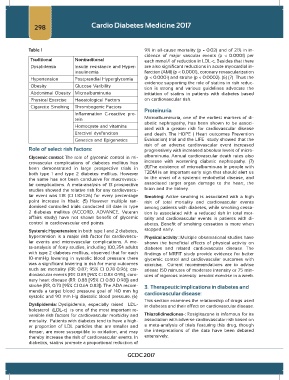
              Table 1                                            9% in all-cause mortality (p = 0.02) and of 21% in in-
                                                                 cidence  of major vascular  events (p  <  0.0001)  per
               Traditional        Nontraditonal                  each mmol/l of reduction in LDL-c. Besides that there
               Dysplidemia        Insulin resistance and Hyper-  are also significant reductions in acute myocardial in-
                                  insulinemia                    farction (AMI) (p < 0.0001), coronary revascularization
               Hypertension       Postprandial Hyperglycemia     (p < 0.0001) and stroke (p < 0.0002). (6) (7)  Thus the
                                                                 evidence supporting the role of statins in risk reduc-
               Obesity            Glucose Varibility
                                                                 tion  is strong and  various guidelines  advocate  the
               Abdonimal Obesity Microalbuminuria                initiation of  statins in  patients with diabetes  based
               Physical Exercise  Haeatological Factors          on cardiovascular risk.
               Cigarette Smoking  Thrombogenic Factors
                                  Inflammation  C-reactive pro-  Proteinuria
                                  tein                           Microalbuminuria, one of the earliest markers of di-
                                                                 abetic  nephropathy, has been shown  to be associ-
                                  Homocyste and vitamins
                                                                 ated with a greater  risk  for cardiovascular disease
                                  Erectivel dysfunciton          and death.  The  HOPE ( Heart outcomes Prevention
                                  Genetics and Epigenetics       Evaluation) trial and the LIFE  study showed that the
                                                                 risk  of  an adverse  cardiovascular event increased
              Role of select risk factors:                       progressively with increased absolute levels of micro-
              Glycemic control: The role of glycemic control in mi-  albuminuria.  Annual  cardiovascular death rates  also
              crovascular complications of diabetes  mellitus has   increase with  worsening  diabetic nephropathy. (7)
              been demonstrated in large  prospective  trials  in   (8)The  existence of microalbuminura  in people  with
              both  type  1 and  type  2 diabetes mellitus. However   T2DM is an important early sign that should alert us
              the same  has not been  conclusive for  macrovascu-  to the  onset of a systemic endothelial disease,  and
              lar  complications.  A  meta-analysis  of  13 prospective   associated target  organ  damage  to the heart, the
              studies showed the relative risk for any cardiovascu-  brain and the kidney.
              lar event was 1.18 (CI  1.10-1.26)  for every  percentage   Smoking: Active smoking is associated with  a high
              point increase  in hba1c.  (5) However  multiple  ran-  risk  of total mortality and cardiovascular events
              domised controlled trials conducted  till date in type   among patients with diabetes, while smoking cessa-
              2 diabetes  mellitus  (ACCORD, ADVANCE,  Veteran   tion  is associated with  a reduced  risk  in total  mor-
              affairs study)  have  not  shown  benefit of glycemic   tality and  cardiovascular  events in patients with  di-
              control in cardiovascular end points.              abetes. Benefit of smoking  cessation is  more when

              Systemic Hypertension: In both type 1 and 2 diabetes,   stopped early.
              hypertension is a major risk  factor  for cardiovascu-  Physical activity : Multiple observational studies have
              lar  events and  microvascular  complications.  A me-  shown the beneficial  effects  of  physical  activity on
              ta-analysis of forty studies, including 100,354 adults   diabetes  and related  cardiovascular disease.  The
              with type 2 diabetes mellitus, observed that for each   findings of MRFIT study provide evidence for better
              10-mmHg lowering  in systolic  blood pressure  there   glycemic control  and cardiovascular outcomes with
              was a significant lowering in risk for many outcomes   exercise.    Current  recommendations are  to advise
              such as:  mortality (RR:  0.87;  95% CI 0.78–0.96);  car-  atleast 150 minutes of moderate intensity or 75 min-
              diovascular events (RR: 0.89 [95% CI 0.83–0.95], coro-  utes of vigorous intensity  aerobic exercise in a week.
              nary heart disease (RR: 0.88 [95% CI 0.80–0.98]) and
              stroke (RR, 0.73 [95% CI 0.64–0.83]). The ADA recom-  3.  Therapeutic implications in diabetes and
              mends a target blood pressure  goal of 140  mm  hg   cardiovascular disease:
              systolic and 90 mm Hg diastolic blood pressure. (6)
                                                                 This section examines the relationship of drugs used
              Dyslipidemia:  Dyslipidemia,  especially  raised   LDL-   in diabetes and their effect on cardiovascular disease.
              holesterol  (LDL-c)  is one of the most important re-
              versible risk factors for cardiovascular morbidity and   Thiazolidinediones-: Rosiglitazone is infamous for its
              mortality.  Patients with diabetes tend to have a high-  association with adverse cardiovascular risk based on
              er  proportion  of LDL  particles  that  are  smaller  and   a meta-analysis of trials featuring this drug, though
              denser, are more susceptible to oxidation, and may   the interpretations  of the data have been debated
              thereby increase the risk of cardiovascular events. In   extensively.
              diabetics, statins promote a proportional reduction of

                                                         GCDC 2017

