


Page 95 - Technology and Innovation Journal - 19-1
P. 95
TRANSPORTATION AND ENERGY                           433


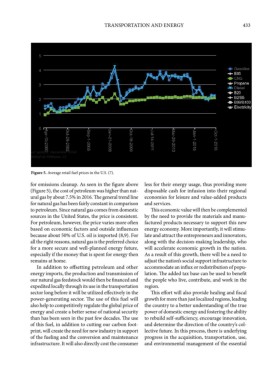
             Figure 5. Average retail fuel prices in the U.S. (7).

            for emissions cleanup. As seen in the figure above  less for their energy usage, thus providing more
            (Figure 5), the cost of petroleum was higher than nat-  disposable cash for infusion into their regional
            ural gas by about 7.5% in 2016. The general trend line  economies for leisure and value-added products
            for natural gas has been fairly constant in comparison  and services.
            to petroleum. Since natural gas comes from domestic    This economic value will then be complemented
            sources in the United States, the price is consistent.  by the need to provide the materials and manu-
            For petroleum, however, the price varies more often  factured products necessary to support this new
            based on economic factors and outside influences  energy economy. More importantly, it will stimu-
            because about 50% of U.S. oil is imported (8,9). For  late and attract the entrepreneurs and innovators,
            all the right reasons, natural gas is the preferred choice  along with the decision-making leadership, who
            for a more secure and well-planned energy future,  will accelerate economic growth in the nation.
            especially if the money that is spent for energy then  As a result of this growth, there will be a need to
            remains at home.                            adjust the nation’s social support infrastructure to
              In addition to offsetting petroleum and other   accommodate an influx or redistribution of popu-
            energy imports, the production and transmission of  lation. The added tax base can be used to benefit
            our natural gas feedstock would then be financed and  the people who live, contribute, and work in the
            expedited locally through its use in the transportation  region.
            sector long before it will be utilized effectively in the    This effort will also provide healing and fiscal
            power-generating sector. The use of this fuel will  growth for more than just localized regions, leading
            also help to competitively regulate the global price of  the country to a better understanding of the true
            energy and create a better sense of national security  power of domestic energy and fostering the ability
            than has been seen in the past few decades. The use  to rebuild self-sufficiency, encourage innovation,
            of this fuel, in addition to cutting our carbon foot-  and determine the direction of the country’s col-
            print, will create the need for new industry in support  lective future. In this process, there is underlying
            of the fueling and the conversion and maintenance  progress in the acquisition, transportation, use,
            infrastructure. It will also directly cost the consumer  and environmental management of the essential

