


Page 415 - (DK) Smithsinian - Military History: The Definitive Visual Guide to the Objects of Warfare
P. 415
413

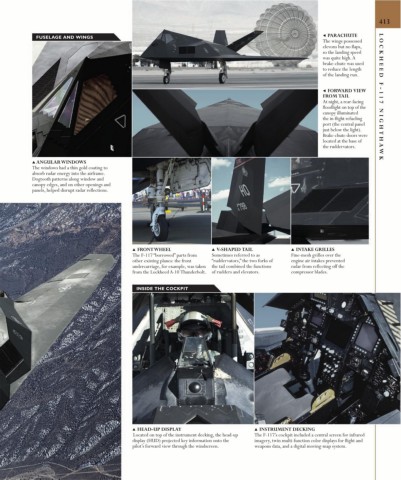
                                                                                                                    ◀ PARACHUTE
              FUSELAGE AND WINGS
                                                                                                                    The wings possessed
                                                                                                                    elevons but no flaps,
                                                                                                                    so the landing speed
                                                                                                                    was quite high. A
                                                                                                                    brake-chute was used
                                                                                                                    to reduce the length
                                                                                                                    of the landing run.


                                                                                                                    ◀ FORWARD  VIEW     LOCKHEED F-117 NIGHTHA
                                                                                                                    FROM  TAIL
                                                                                                                    At night, a rear-facing
                                                                                                                    floodlight on top of the
                                                                                                                    canopy illuminated
                                                                                                                    the in-flight refueling
                                                                                                                    port (the central panel
                                                                                                                    just below the light).
                                                                                                                    Brake-chute doors were
                                                                                                                    located at the base of
                                                                                                                    the ruddervators.

            ▲ ANGULAR WINDOWS                                                                                                           WK
            The windows had a thin gold coating to
            absorb radar energy into the airframe.
            Dogtooth patterns along window and
            canopy edges, and on other openings and
            panels, helped disrupt radar reflections.


                                                ▲ FRONT WHEEL               ▲ V-SHAPED  TAIL             ▲ INTAKE GRILLES
                                                The F-117 “borrowed” parts from    Sometimes referred to as   Fine-mesh grilles over the
                                                other existing planes: the front   “ruddervators,” the two forks of    engine air intakes prevented
                                                undercarriage, for example, was taken   the tail combined the functions    radar from reflecting off the
                                                from the Lockheed A-10  Thunderbolt.  of rudders and elevators.  compressor blades.


                                                  INSIDE THE COCKPIT


                                                ▲ HEAD-UP DISPLAY                           ▲ INSTRUMENT DECKING
                                                 Located on top of the instrument decking, the head-up    The F-117’s cockpit included a central screen for infrared
                                                display (HUD) projected key information onto the    imagery, twin multi-function color displays for flight and
                                                pilot’s forward view through the windscreen.  weapons data, and a digital moving-map system.

