


Page 197 - Clinical Anatomy
P. 197
ECA3  7/18/06  6:45 PM  Page 182


                 182  The upper limb


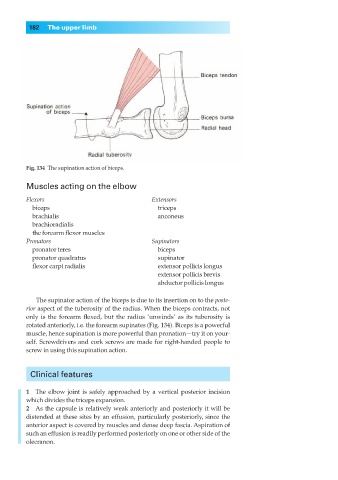
                Fig. 134◊The supination action of biceps.

                Muscles acting on the elbow

                Flexors                             Extensors
                ◊◊biceps                            ◊◊triceps
                ◊◊brachialis                        ◊◊anconeus
                ◊◊brachioradialis
                ◊◊the forearm flexor muscles
                Pronators                           Supinators
                ◊◊pronator teres                    ◊◊biceps
                ◊◊pronator quadratus                ◊◊supinator
                ◊◊flexor carpi radialis              ◊◊extensor pollicis longus
                                                    ◊◊extensor pollicis brevis
                                                    ◊◊abductor pollicis longus

                   The supinator action of the biceps is due to its insertion on to the poste-
                rior aspect of the tuberosity of the radius. When the biceps contracts, not
                only is the forearm flexed, but the radius ‘unwinds’ as its tuberosity is
                rotated anteriorly, i.e. the forearm supinates (Fig. 134). Biceps is a powerful
                muscle, hence supination is more powerful than pronation—try it on your-
                self. Screwdrivers and cork screws are made for right-handed people to
                screw in using this supination action.


                 Clinical features

                1◊◊The elbow joint is safely approached by a vertical posterior incision
                which divides the triceps expansion.
                2◊◊As the capsule is relatively weak anteriorly and posteriorly it will be
                distended at these sites by an effusion, particularly posteriorly, since the
                anterior aspect is covered by muscles and dense deep fascia. Aspiration of
                such an effusion is readily performed posteriorly on one or other side of the
                olecranon.

