


Page 551 - ACCCN's Critical Care Nursing
P. 551
528  P R I N C I P L E S   A N D   P R A C T I C E   O F   C R I T I C A L   C A R E


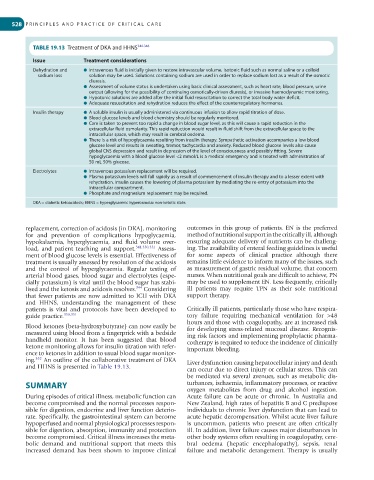
            TABLE 19.13  Treatment of DKA and HHNS 344-346

            Issue           Treatment considerations
            Dehydration and   ●  Intravenous fluid is initially given to restore intravascular volume. Isotonic fluid such as normal saline or a colloid
             sodium loss      solution may be used. Solutions containing sodium are used in order to replace sodium lost as a result of the osmotic
                              diuresis.
                            ●  Assessment of volume status is undertaken using basic clinical assessment, such as heart rate, blood pressure, urine
                              output (allowing for the possibility of continuing osmotically-driven diuresis), or invasive haemodynamic monitoring.
                            ●  Hypotonic solutions are added after the initial fluid resuscitation to correct the total body water deficit.
                            ●  Adequate resuscitation and rehydration reduces the effect of the counterregulatory hormones.
            Insulin therapy  ●  A soluble insulin is usually administered via continuous infusion to allow rapid titration of dose.
                            ●  Blood glucose levels and blood chemistry should be regularly monitored.
                            ●  Care is taken to prevent too rapid a change in blood sugar level, as this will cause a rapid reduction in the
                              extracellular fluid osmolarity. This rapid reduction would result in fluid shift from the extracellular space to the
                              intracellular space, which may result in cerebral oedema.
                            ●  There is a risk of hypoglycaemia resulting from insulin therapy. Sympathetic activation accompanies a low blood
                              glucose level and results in sweating, tremor, tachycardia and anxiety. Reduced blood glucose levels also cause
                              global CNS depression and result in depression of the level of consciousness and possibly fitting. Severe
                              hypoglycaemia with a blood glucose level <2 mmol/L is a medical emergency and is treated with administration of
                              50 mL 50% glucose.
            Electrolytes    ●  Intravenous potassium replacement will be required.
                            ●  Plasma potassium levels will fall rapidly as a result of commencement of insulin therapy and to a lesser extent with
                              rehydration. Insulin causes the lowering of plasma potassium by mediating the re-entry of potassium into the
                              intracellular compartment.
                            ●  Phosphate and magnesium replacement may be required.
            DKA = diabetic ketoacidosis; HHNS = hyperglycaemic hyperosmolar non-ketotic state.


         replacement, correction of acidosis (in DKA), monitoring   outcomes in this group of patients. EN is the preferred
         for  and  prevention  of  complications  hypoglycaemia,   method of nutritional support in the critically ill, although
         hypokalaemia,  hyperglycaemia,  and  fluid  volume  over-  ensuring adequate delivery of nutrients can be challeng-
         load,  and  patient  teaching  and  support. 341,350,351   Assess-  ing. The availability of enteral feeding guidelines is useful
         ment of blood glucose levels is essential. Effectiveness of   for  some  aspects  of  clinical  practice  although  there
         treatment is usually assessed by resolution of the acidosis   remains little evidence to inform many of the issues, such
         and  the  control  of  hyperglycaemia.  Regular  testing  of   as measurement of gastric residual volume, that concern
         arterial blood gases, blood sugar and electrolytes (espe-  nurses. When nutritional goals are difficult to achieve, PN
         cially potassium) is vital until the blood sugar has stabi-  may be used to supplement EN. Less frequently, critically
         lised and the ketosis and acidosis resolves. 344  Considering   ill  patients  may  require  TPN  as  their  sole  nutritional
         that fewer patients are now admitted to ICU with DKA   support therapy.
         and  HHNS,  understanding  the  management  of  these
         patients  is  vital  and  protocols  have  been  developed  to   Critically ill patients, particularly those who have respira-
         guide practice. 350,351                              tory  failure  requiring  mechanical  ventilation  for  >48
                                                              hours and those with coagulopathy, are at increased risk
         Blood ketones (beta-hydroxybutyrate) can now easily be   for developing stress-related mucosal disease. Recognis-
         measured using blood from a fingerprick with a bedside   ing risk factors and implementing prophylactic pharma-
         handheld  monitor.  It  has  been  suggested  that  blood   cotherapy is required to reduce the incidence of clinically
         ketone monitoring allows for insulin titration with refer-  important bleeding.
         ence to ketones in addition to usual blood sugar monitor-
         ing. 352  An outline of the collaborative treatment of DKA   Liver dysfunction causing hepatocellular injury and death
         and HHNS is presented in Table 19.13.
                                                              can occur due to direct injury or cellular stress. This can
                                                              be mediated via several avenues, such as metabolic dis-
         SUMMARY                                              turbances, ischaemia, inflammatory processes, or reactive
                                                              oxygen  metabolites  from  drug  and  alcohol  ingestion.
         During episodes of critical illness, metabolic function can   Acute  failure  can  be  acute  or  chronic.  In  Australia  and
         become compromised and the normal processes respon-  New Zealand, high rates of hepatitis B and C predispose
         sible for digestion, endocrine and liver function deterio-  individuals to chronic liver dysfunction that can lead to
         rate. Specifically, the gastrointestinal system can become   acute hepatic decompensation. Whilst acute liver failure
         hypoperfused and normal physiological processes respon-  is uncommon, patients who present are often critically
         sible for digestion, absorption, immunity and protection   ill. In addition, liver failure causes major disturbances in
         become compromised. Critical illness increases the meta-  other body systems often resulting in coagulopathy, cere-
         bolic  demand  and  nutritional  support  that  meets  this   bral  oedema  (hepatic  encephalopathy),  sepsis,  renal
         increased  demand  has  been  shown  to  improve  clinical   failure  and  metabolic  derangement.  Therapy  is  usually

