


Page 266 - Review of Medical Microbiology and Immunology ( PDFDrive )
P. 266
mebooksfree.com
mebooksfree.com
mebooksfree.com
mebooksfree.com
mebooksfree.com
mebooksfree.com
mebooksfree.com
mebooksfree.com mebooksfree.com mebooksfree.com indirectly through the bite of an insect vector, such as a 255 mebooksfree.com
mebooksfree.com
CHAPTER 32 Pathogenesis
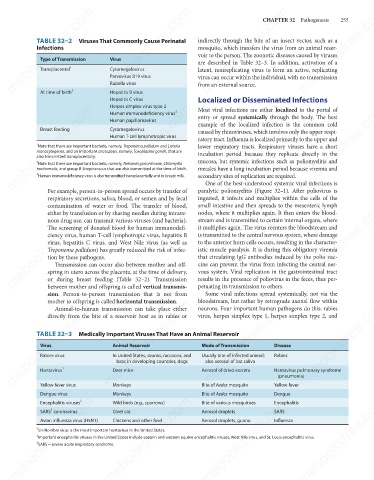
TABLE 32–2 Viruses That Commonly Cause Perinatal
Infections
mosquito, which transfers the virus from an animal reser-
voir to the person. The zoonotic diseases caused by viruses
Type of Transmission
Virus
are described in Table 32–3. In addition, activation of a
1
latent, nonreplicating virus to form an active, replicating
Transplacental
Cytomegalovirus
from an external source.
Rubella virus
Hepatitis B virus
Localized or Disseminated Infections
Hepatitis C virus
At time of birth 2 Parvovirus B19 virus 3 virus can occur within the individual, with no transmission
mebooksfree.com
mebooksfree.com
mebooksfree.com mebooksfree.com mebooksfree.com example of the localized infection is the common cold mebooksfree.com
Herpes simplex virus type 2
Most viral infections are either localized to the portal of
Human immunodeficiency virus
entry or spread systemically through the body. The best
Human papillomavirus
Cytomegalovirus
Breast feeding
caused by rhinoviruses, which involves only the upper respi-
Human T-cell lymphotropic virus
ratory tract. Influenza is localized primarily to the upper and
lower respiratory tracts. Respiratory viruses have a short
1
Note that there are important bacteria, namely, Treponema pallidum and Listeria
monocytogenes, and an important protozoan, namely, Toxoplasma gondii, that are
incubation period because they replicate directly in the
also transmitted transplacentally.
mucosa, but systemic infections such as poliomyelitis and
2
Note that there are important bacteria, namely, Neisseria gonorrhoeae, Chlamydia
measles have a long incubation period because viremia and
trachomatis, and group B Streptococcus that are also transmitted at the time of birth.
3
Human immunodeficiency virus is also transmitted transplacentally and in breast milk.
One of the best-understood systemic viral infections is
paralytic poliomyelitis (Figure 32–1). After poliovirus is
For example, person-to-person spread occurs by transfer of
ingested, it infects and multiplies within the cells of the
respiratory secretions, saliva, blood, or semen and by fecal secondary sites of replication are required.
mebooksfree.com mebooksfree.com mebooksfree.com it multiplies again. The virus reenters the bloodstream and mebooksfree.com
mebooksfree.com
mebooksfree.com
small intestine and then spreads to the mesenteric lymph
contamination of water or food. The transfer of blood,
nodes, where it multiplies again. It then enters the blood-
either by transfusion or by sharing needles during intrave-
stream and is transmitted to certain internal organs, where
nous drug use, can transmit various viruses (and bacteria).
The screening of donated blood for human immunodefi-
is transmitted to the central nervous system, where damage
ciency virus, human T-cell lymphotropic virus, hepatitis B
to the anterior horn cells occurs, resulting in the character-
virus, hepatitis C virus, and West Nile virus (as well as
istic muscle paralysis. It is during this obligatory viremia
Treponema pallidum) has greatly reduced the risk of infec-
that circulating IgG antibodies induced by the polio vac-
tion by these pathogens.
cine can prevent the virus from infecting the central ner-
Transmission can occur also between mother and off-
spring in utero across the placenta, at the time of delivery,
results in the presence of poliovirus in the feces, thus per-
or during breast feeding (Table 32–2). Transmission
petuating its transmission to others.
between mother and offspring is called vertical transmis-
Some viral infections spread systemically, not via the
sion. Person-to-person transmission that is not from vous system. Viral replication in the gastrointestinal tract
bloodstream, but rather by retrograde axonal flow within
mother to offspring is called horizontal transmission.
mebooksfree.com mebooksfree.com mebooksfree.com Mode of Transmission Yellow fever mebooksfree.com mebooksfree.com
mebooksfree.com
neurons. Four important human pathogens do this: rabies
Animal-to-human transmission can take place either
virus, herpes simplex type 1, herpes simplex type 2, and
directly from the bite of a reservoir host as in rabies or
TABLE 32–3 Medically Important Viruses That Have an Animal Reservoir
Disease
Virus
Animal Reservoir
In United States, skunks, raccoons, and
Rabies
Rabies virus
Usually bite of infected animal;
also aerosol of bat saliva
bats; in developing countries, dogs
1
Hantavirus
(pneumonia)
Bite of Aedes mosquito
Yellow fever virus
Monkeys
Dengue virus 2 Deer mice Aerosol of dried excreta Hantavirus pulmonary syndrome
Dengue
Monkeys
Bite of Aedes mosquito
mebooksfree.com mebooksfree.com mebooksfree.com Aerosol droplets, guano Influenza mebooksfree.com mebooksfree.com
mebooksfree.com
Encephalitis viruses
Bite of various mosquitoes
Wild birds (e.g., sparrows)
Encephalitis
3
Aerosol droplets
Civet cat
SARS
SARS coronavirus
Chickens and other fowl
Avian influenza virus (H5N1)
1
Sin Nombre virus is the most important hantavirus in the United States.
2
Important encephalitis viruses in the United States include eastern and western equine encephalitis viruses, West Nile virus, and St. Louis encephalitis virus.
3
SARS = severe acute respiratory syndrome.
mebooksfree.com mebooksfree.com mebooksfree.com mebooksfree.com mebooksfree.com mebooksfree.com

