


Page 70 - Unit2.docx
P. 70
9.2.2 CRP (constant rate of penetration)

                       In the CRP (constant rate of penetration) method, test pile is jacked into the
                       soil, the load being adjusted to give constant rate of downward movement to the
                       pile. This is maintained until point of failure is reached.

                       Failure of the pile is defined in to two ways that as the load at which the pile
                      © It's Engg. Life
                       continues to move downward without further increase in load, or according to the
                       BS, the load which the penetration reaches a value equal to one-tenth of the diameter of
                       the pile at the base.

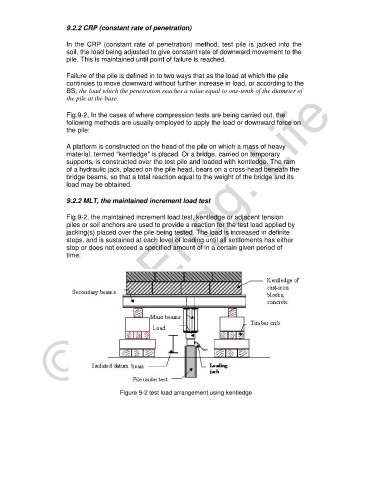
                       Fig.9-2, In the cases of where compression tests are being carried out, the
                       following methods are usually employed to apply the load or downward force on
                       the pile:

                       A platform is constructed on the head of the pile on which a mass of heavy
                       material, termed "kentledge" is placed. Or a bridge, carried on temporary
                       supports, is constructed over the test pile and loaded with kentledge. The ram
                       of a hydraulic jack, placed on the pile head, bears on a cross-head beneath the
                       bridge beams, so that a total reaction equal to the weight of the bridge and its
                       load may be obtained.

                       9.2.2 MLT, the maintained increment load test

                       Fig.9-2, the maintained increment load test, kentledge or adjacent tension
                       piles or soil anchors are used to provide a reaction for the test load applied by
                       jacking(s) placed over the pile being tested. The load is increased in definite
                       steps, and is sustained at each level of loading until all settlements has either
                       stop or does not exceed a specified amount of in a certain given period of
                       time.


                                         Figure 9-2 test load arrangement using kentledge

