


Page 23 - Technology and Innovation Journal - 19-1
P. 23
UNIVERSITY-BASED TECHNOLOGY ACCELERATORS                     361


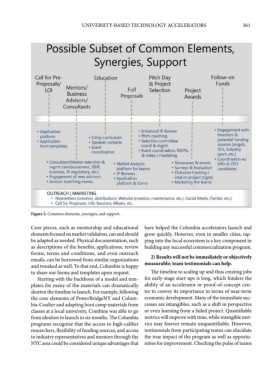
             Figure 2. Common elements, synergies, and support.

             Core pieces, such as mentorship and educational  have helped the Columbia accelerators launch and
             elements focused on market validation, can and should  grow quickly. However, even in smaller cities, tap-
             be adapted as needed. Physical documentation, such  ping into the local ecosystem is a key component in
             as descriptions of the benefits, applications, review  building any successful commercialization program.
             forms, terms and conditions, and even outreach
             emails, can be borrowed from similar organizations     2) Results will not be immediately or objectively
             and tweaked as well. To that end, Columbia is happy   measurable; team testimonials can help.
             to share our forms and templates upon request.     The timeline to scaling up and thus creating jobs
               Starting with the backbone of a model and tem-  for early-stage start-ups is long, which hinders the
             plates for many of the materials can dramatically  ability of an accelerator or proof-of-concept cen-
             shorten the timeline to launch. For example, following  ter to convey its importance in terms of near-term
             the core elements of PowerBridgeNY and Colum-  economic development. Many of the immediate suc-
             bia-Coulter and adapting boot camp materials from  cesses are intangibles, such as a shift in perspective
             classes at a local university, Combine was able to go  or even learning from a failed project. Quantifiable
             from ideation to launch in six months. The Columbia  metrics will improve with time, while intangible met-
             programs recognize that the access to high-caliber  rics may forever remain unquantifiable. However,
             researchers, flexibility of funding sources, and access  testimonials from participating teams can elucidate
             to industry representatives and mentors through the  the true impact of the program as well as opportu-
             NYC area could be considered unique advantages that  nities for improvement. Checking the pulse of teams

