


Page 81 - Essentials of Nursing Leadership and Management, 5th Edition
P. 81
CikguOnline
         2208_Ch05_057-070.qxd  11/6/09  5:56 PM  Page 68
               68   unit 1 | Professional Considerations                                                                   CikguOnline
                                                            You can probably think of more, but this list at least
                 Participate in interdisciplinary conferences  gives you some ideas.You can also share the knowl-
                    Attend continuing education offerings   edge and experience you have gained with other
                                                            people. This means not only using your knowledge
                  Attend professional organization meetings
                                                            to improve your own practice but also communi-
                     Read books and journals related to     cating what you have learned to your colleagues in
                           your nursing practice            nursing and in other health-care professions. It also
                       Problem-solve and brainstorm         means letting your supervisors know that you have
                             with colleagues                enhanced your professional competence. You can
                  Return to school to earn a higher degree  share your knowledge with your patients, empow-
                                                            ering them as well. You may even reach the point at
                                                            which you have learned more about a particular
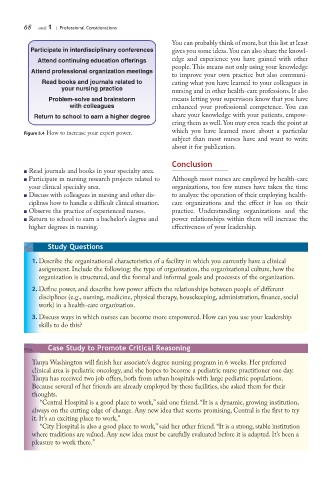
               Figure 5.4 How to increase your expert power.
                                                            subject than most nurses have and want to write
                                                            about it for publication.

                                                            Conclusion
               ■ Read journals and books in your specialty area.
               ■ Participate in nursing research projects related to  Although most nurses are employed by health-care
                 your clinical specialty area.              organizations, too few nurses have taken the time
               ■ Discuss with colleagues in nursing and other dis-  to analyze the operation of their employing health-
                 ciplines how to handle a difficult clinical situation.  care organizations and the effect it has on their
               ■ Observe the practice of experienced nurses.  practice. Understanding organizations and the
               ■ Return to school to earn a bachelor’s degree and  power relationships within them will increase the
                 higher degrees in nursing.                 effectiveness of your leadership.

                       Study Questions

                  1. Describe the organizational characteristics of a facility in which you currently have a clinical
                    assignment. Include the following: the type of organization, the organizational culture, how the
                    organization is structured, and the formal and informal goals and processes of the organization.
                  2. Define power, and describe how power affects the relationships between people of different
                    disciplines (e.g., nursing, medicine, physical therapy, housekeeping, administration, finance, social
                    work) in a health-care organization.
                  3. Discuss ways in which nurses can become more empowered. How can you use your leadership
                    skills to do this?


                       Case Study to Promote Critical Reasoning

                  Tanya Washington will finish her associate’s degree nursing program in 6 weeks. Her preferred
                  clinical area is pediatric oncology, and she hopes to become a pediatric nurse practitioner one day.
                  Tanya has received two job offers, both from urban hospitals with large pediatric populations.
                  Because several of her friends are already employed by these facilities, she asked them for their
                  thoughts.
                    “Central Hospital is a good place to work,” said one friend. “It is a dynamic, growing institution,
                  always on the cutting edge of change. Any new idea that seems promising, Central is the first to try
                  it. It’s an exciting place to work.”
                    “City Hospital is also a good place to work,” said her other friend. “It is a strong, stable institution
                  where traditions are valued. Any new idea must be carefully evaluated before it is adapted. It’s been a
                  pleasure to work there.”

