


Page 23 - digitalliteracy
P. 23
1.2  How Technology Has Transformed the Way We Learn


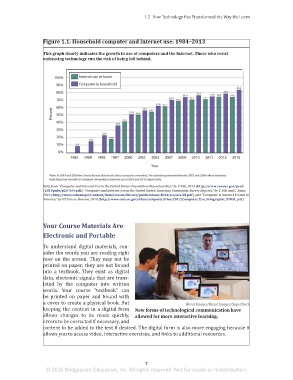
                       Figure 1.1: Household computer and Internet use: 1984–2013


                       This graph clearly indicates the growth in use of computers and the Internet. Those who resist
                       embracing technology run the risk of being left behind.


                       Data from “Computer and Internet Use in the United States: Population Characteristics,” by T. File, 2013 (http://www.census.gov/prod
                       /2013pubs/p20-569.pdf); “Computer and Internet Use in the United States: American Community Survey Reports,” by T. File and C. Ryan,
                       2014 (http://www.census.gov/content/dam/Census/library/publications/2014/acs/acs-28.pdf); and “Computer & Internet Trends in
                       America,” by US Census Bureau, 2014 (http://www.census.gov/hhes/computer/files/2012/Computer_Use_Infographic_FINAL.pdf).


                       Your Course Materials Are

                       Electronic and Portable

                       To understand digital  materials, con-
                       sider the words you are reading right
                       now  on  the screen. They  may not  be
                       printed on paper; they are not bound
                       into a  textbook.  They exist  as digital
                       data, electronic signals that are trans-
                       lated by the  computer into written
                       words. Your course  “textbook”  can
                       be printed  on paper and bound with
                       a cover to create a physical book. But                      Blend Images/Blend Images/SuperStock
                       keeping the content in a digital form   New forms of technological communication have
                       allows changes to be made quickly,     allowed for more interactive learning.
                       errors to be corrected if necessary, and
                       content to be added to the text if desired. The digital form is also more engaging because it
                       allows you to access video, interactive exercises, and links to additional resources.


                                                                  7
                        © 2016 Bridgepoint Education, Inc. All rights reserved. Not for resale or redistribution.


       sol82612_01_m01_001-020.indd   7                                                                              6/29/16   5:07 PM

