


Page 274 - Towards Trustworthy Elections New Directions in Electronic Voting by Ed Gerck (auth.), David Chaum, Markus Jakobsson, Ronald L. Rivest, Peter Y. A. Ryan, Josh Benaloh, Miroslaw Kutylowski, Ben Adida ( (z-lib.org (1)
P. 274
D. Lundin
                          266


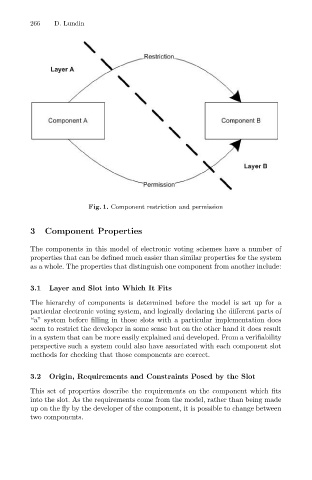
                                          Fig. 1. Component restriction and permission


                          3   Component Properties

                          The components in this model of electronic voting schemes have a number of
                          properties that can be defined much easier than similar properties for the system
                          as a whole. The properties that distinguish one component from another include:


                          3.1  Layer and Slot into Which It Fits
                          The hierarchy of components is determined before the model is set up for a
                          particular electronic voting system, and logically declaring the different parts of
                          “a” system before filling in those slots with a particular implementation does
                          seem to restrict the developer in some sense but on the other hand it does result
                          in a system that can be more easily explained and developed. From a verifiability
                          perspective such a system could also have associated with each component slot
                          methods for checking that those components are correct.


                          3.2  Origin, Requirements and Constraints Posed by the Slot

                          This set of properties describe the requirements on the component which fits
                          into the slot. As the requirements come from the model, rather than being made
                          up on the fly by the developer of the component, it is possible to change between
                          two components.

