


Page 279 - Towards Trustworthy Elections New Directions in Electronic Voting by Ed Gerck (auth.), David Chaum, Markus Jakobsson, Ronald L. Rivest, Peter Y. A. Ryan, Josh Benaloh, Miroslaw Kutylowski, Ben Adida ( (z-lib.org (1)
P. 279
Component Based Electronic Voting Systems


                                                            a
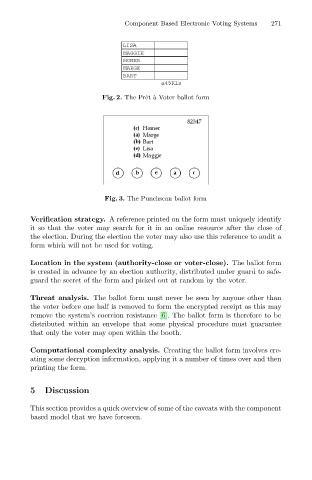
                                              Fig. 2. The Prˆet ` Voter ballot form         271


                                              Fig. 3. The Punchscan ballot form


                          Verification strategy. A reference printed on the form must uniquely identify
                          it so that the voter may search for it in an online resource after the close of
                          the election. During the election the voter may also use this reference to audit a
                          form which will not be used for voting.


                          Location in the system (authority-close or voter-close). The ballot form
                          is created in advance by an election authority, distributed under guard to safe-
                          guard the secret of the form and picked out at random by the voter.


                          Threat analysis. The ballot form must never be seen by anyone other than
                          the voter before one half is removed to form the encrypted receipt as this may
                          remove the system’s coercion resistance [6]. The ballot form is therefore to be
                          distributed within an envelope that some physical procedure must guarantee
                          that only the voter may open within the booth.
                          Computational complexity analysis. Creating the ballot form involves cre-
                          ating some decryption information, applying it a number of times over and then
                          printing the form.

                          5   Discussion

                          This section provides a quick overview of some of the caveats with the component
                          based model that we have foreseen.

