


Page 880 - Hall et al (2015) Principles of Critical Care-McGraw-Hill
P. 880
CHAPTER 68: Approach to Infection in Patients Receiving Cytotoxic Chemotherapy for Malignancy 611
infections observed a survival benefit of combination therapy among
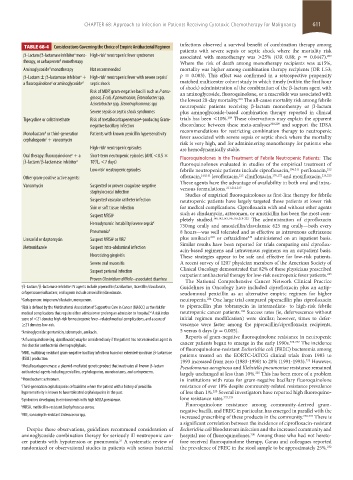
TABLE 68-4 Considerations Governing the Choice of Empiric Antibacterial Regimen
patients with severe sepsis or septic shock where the mortality risk
β-Lactam/β-lactamase inhibitor mono- High-risk neutropenic fever syndromes associated with monotherapy was >25% (OR 0.88; p = 0.0447).
a
c
209
therapy, or carbapenem monotherapy Where the risk of death among monotherapy recipients was ≤15%,
b
Aminoglycoside monotherapy Not recommended mortality was higher among combination therapy recipients (OR 1.53;
d
a
c
β-Lactam ± β-lactamase inhibitor + High-risk neutropenic fever with severe sepsis/ p = 0.003). This effect was confirmed in a retrospective propensity
a fluoroquinolone or aminoglycoside d septic shock matched multicenter cohort study in which timely (within the first hour
e
of shock) administration of the combination of the β-lactam agent with
f
Risk of MDR gram-negative bacilli such as P aeru- an aminoglycoside, fluoroquinolone, or a macrolide was associated with
ginosa, E coli, K pneumoniae, Enterobacter spp, the lowest 28-day mortality. The all-cause mortality risk among febrile
210
Acinetobacter spp, Stenotrophomonas spp neutropenic patients receiving β-lactam monotherapy or β-lactam
Severe sepsis or septic shock syndromes plus aminoglycoside-based combination therapy reported in clinical
208
g
Tigecycline or colistimethate Risk of metallocarbapenemase -producing Gram- trials has been <10%. These observations may explain the apparent
negative bacillary infection discordance between these meta-analyses 208,209 and support the IDSA
recommendations for restricting combination therapy to neutropenic
Monobactam or third-generation Patients with known penicillin hypersensitivity fever associated with severe sepsis or septic shock where the mortality
h
cephalosporin + vancomycin
i
risk is very high, and for administering monotherapy for patients who
High-risk neutropenic episodes are hemodynamically stable.
c
Oral therapy: fluoroquinolone + a Short-term neutropenic episodes (ANC <0.5 × Fluoroquinolones in the Treatment of Febrile Neutropenic Patients: The
e
β-lactam/β-lactamase inhibitor a 10 /L, <7 days) fluoroquinolones evaluated in studies of the empirical treatment of
9
Low-risk neutropenic episodes febrile neutropenic patients include ciprofloxacin, 106,211 perfloxacin,
c
212
213
Other gram-positive active agents: ofloxacin, 140,141 levofloxacin, clinifloxacin, 170,172 and moxifloxacin. 214,215
Vancomycin Suspected or proven coagulase-negative These agents have the advantage of availability in both oral and intra-
venous formulations.
211,216,217
staphylococcal infection Studies of empirical fluoroquinolones as first-line therapy for febrile
Suspected vascular catheter infection neutropenic patients have largely targeted those patients at lower risk
Skin or soft tissue infection for medical complications. Ciprofloxacin with and without other agents
Suspect MRSA j such as clindamycin, aztreonam, or amoxicillin has been the most com-
pletely studied. 140,142,143,145,185,218-222 The administration of ciprofloxacin
Hemodynamic instability/severe sepsis k 750 mg orally and amoxicillin/clavulanate 625 mg orally—both every
Pneumonia k 8 hours—was well tolerated and as effective as intravenous ceftriaxone
218
219
j
Linezolid or daptomycin Suspect MRSA or VRE l plus amikacin or ceftazidime administered on an inpatient basis.
Metronidazole Suspect intra-abdominal infection Similar results have been reported for trials comparing oral ciproflox-
acin-based regimens and intravenous regimens on an outpatient basis.
Necrotizing gingivitis These strategies appear to be safe and effective for low-risk patients.
Severe oral mucositis A recent survey of 1207 physician members of the American Society of
Clinical Oncology demonstrated that 82% of these physicians prescribed
Suspect perianal infection outpatient antibacterial therapy for low-risk neutropenic fever patients. 223
Proven Clostridium difficile–associated diarrhea The National Comprehensive Cancer Network Clinical Practice
a β-Lactam/β-lactamase inhibitor: IV agents include piperacillin/tazobactam, ticarcillin/clavulanate, Guidelines in Oncology have included ciprofloxacin plus an antip-
cefoperazone/sulbactam; oral agents include amoxicillin/clavulanate. seudomonal penicillin as an alternative empiric regimen for higher
224
b Carbapenem: imipenem/cilastatin, meropenem. neutropenia. One large trial compared piperacillin plus ciprofloxacin
c Risk is defined by the Multinational Association of Supportive Care in Cancer (MASCC) as the risk for to piperacillin plus tobramycin in intermediate- to high-risk febrile
106
52
medical complications that require either admission or prolong an admission to hospital. A risk index neutropenic cancer patients. Success rates (ie, defervescence without
score of <21 denotes high-risk for neutropenic fever–related medical complications, and a score of initial regimen modification) were similar; however, times to defer-
≥21 denotes low-risk. vescence were faster among the piperacillin/ciprofloxacin recipients,
5 versus 6 days (p = 0.005).
d Aminoglycoside: gentamicin, tobramycin, amikacin.
Reports of gram-negative fluoroquinolone resistance in neutropenic
e A fluoroquinolone (eg, ciprofloxacin) may be considered only if the patient has not received an agent in cancer patients began to emerge in the early 1990s. 225-227 The incidence
this class for antibacterial chemoprophylaxis.
of fluoroquinolone-resistant Escherichia coli (FREC) bacteremia among
f MDR, multidrug-resistant gram-negative bacillary infections based on extended-spectrum β-lactamase patients treated on the EORTC-IATCG clinical trials from 1983 to
(ESBL) production.
1993 increased from zero (1983-1990) to 28% (1991-1993). However,
225
g Metallocarbapenemase: a plasmid-mediated genetic product that inactivates all known β-lactam Pseudomonas aeruginosa and Klebsiella pneumoniae resistance remained
antibacterial agents including penicillins, cephalosporins, monobactams, and carbapenems. largely unchanged at less than 10%. This has been more of a problem
225
h Monobactam: aztreonam. in institutions with rates for gram-negative bacillary fluoroquinolone
i Third-generation cephalosporin: ceftazidime where the patient with a history of penicillin resistance of over 10% despite community-related resistance prevalence
228
hypersensitivity is known to have tolerated cephalosporins in the past. of less than 1%. Several investigators have reported high fluoroquino-
j Syndromes developing in environments with high MRSA prevalence. lone resistance rates. 227,229
Fluoroquinolone resistance among community-derived gram-
k MRSA, methicillin-resistant Staphylococcus aureus.
negative bacilli, and FREC in particular, has emerged in parallel with the
l VRE, vancomycin-resistant Enterococcus spp. increased prescribing of these products in the community. 230-232 There is
a significant correlation between the incidence of ciprofloxacin-resistant
Despite these observations, guidelines recommend consideration of Escherichia coli bloodstream infection and the increased community and
aminoglycoside combination therapy for seriously ill neutropenic can- hospital use of fluoroquinolones. Among those who had not hereto-
230
cer patients with hypotension or pneumonia. A systematic review of fore received fluoroquinolone therapy, Garau and colleagues reported
21
randomized or observational studies in patients with serious bacterial the prevalence of FREC in the stool sample to be approximately 25%.
232
section05_c61-73.indd 611 1/23/2015 12:48:07 PM

