


Page 977 - Clinical Immunology_ Principles and Practice ( PDFDrive )
P. 977
944          Part seven  Organ-Specific Inflammatory Disease


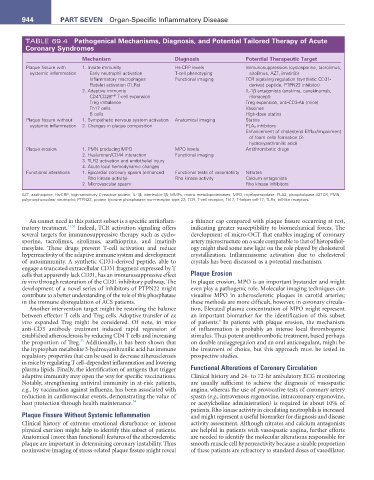
         TABLE 69.4  Pathogenical Mechanisms, Diagnosis, and Potential tailored therapy of acute
         Coronary syndromes
                            Mechanism                     Diagnosis              Potential therapeutic target
          Plaque fissure with   1. Innate immunity        Hs-CRP levels          Immunosuppression (cyclosporine, tacrolimus,
           systemic inflammation  Early neutrophil activation  T-cell phenotyping  sirolimus, AZT, imatinib)
                              Inflammatory macrophages    Functional imaging     TCR signaling regulation (synthetic CD31-
                              Platelet activation (TLRs)                           derived peptide, PTPN22 inhibitor)
                            2. Adaptive immunity                                 IL-1β antagonists (anakinra, canakinumab,
                                     null
                                 +
                              CD4 CD28  T-cell expansion                           rilonacept)
                              Treg imbalance                                     Treg expansion, anti-CD3-Ab (mice)
                              Th17 cells                                         Vaccines
                              B cells                                            High-dose statins
          Plaque fissure without   1. Sympathetic nervous system activation  Anatomical imaging  Statins
           systemic inflammation  2. Changes in plaque composition               PLA 2  inhibitors
                                                                                 Enhancement of cholesterol Efflux/impairment
                                                                                   of foam cells formation (3-
                                                                                   hydroxyanthranilic acid)
          Plaque erosion    1. PMN producing MPO          MPO levels             Antithrombotic drugs
                            2. Hyaluronan/CD44 interaction  Functional imaging
                            3. TLR2 activation and endothelial injury
                            4. Acute local hemodynamic changes
          Functional alterations  1. Epicardial coronary spasm (enhanced   Functional tests of vasomotility  Nitrates
                              Rho kinase activity)        Rho kinase activity    Calcium antagonists
                            2. Microvascular spasm                               Rho kinase inhibitors
        AZT, azathioprine; Hs-CRP, high-sensitivity C-reactive protein; IL-1β, interleukin-1β; MMPs, matrix metalloproteinases; MPO, myeloperoxidase; PLA2, phospholipase A2TCR; PMN,
        polymorphonuclear neutrophil; PTPN22, protein tyrosine phosphatase non–receptor type 22; TCR, T-cell receptor; Th17, T-helper cell-17; TLRs, toll-like receptors.


           An unmet need in this patient subset is a specific antiinflam-  a thinner cap compared with plaque fissure occurring at rest,
        matory treatment. 31,32  Indeed, TCR activation signaling offers   indicating greater susceptibility  to biomechanical  forces.  The
        several targets for immunosuppressive therapy such as cyclo-  development of micro-OCT that enables imaging of coronary
        sporine, tacrolimus, sirolimus, azathioprine, and imatinib   artery microstructure on a scale comparable to that of histopathol-
        mesylate. These drugs prevent T-cell activation and reduce   ogy might shed some new light on the role played by cholesterol
        hyperreactivity of the adaptive immune system and development   crystallization. Inflammasome activation due to cholesterol
        of autoimmunity.  A synthetic CD31-derived peptide, able to   crystals has been discussed as a potential mechanism.
        engage a truncated extracellular CD31 fragment expressed by T
        cells that apparently lack CD31, has an immunosuppressive effect   Plaque Erosion
        in vivo through restoration of the CD31 inhibitory pathway. The   In plaque erosion, MPO is an important bystander and might
        development of a novel series of inhibitors of PTPN22 might   even play a pathogenic role. Molecular imaging techniques can
        contribute to a better understanding of the role of this phosphatase   visualize MPO in atherosclerotic plaques in carotid arteries;
        in the immune dysregulation of ACS patients.           these methods are more difficult, however, in coronary circula-
           Another intervention target might be restoring the balance   tion. Elevated plasma concentration of MPO might represent
        between effector T cells and Treg cells. Adoptive transfer of ex   an important biomarker for the identification of this subset
                                                                         6
        vivo expanded Treg might be considered. Of note, in mice   of patients.  In patients with plaque erosion, the mechanism
        anti-CD3 antibody treatment induced rapid regression of   of inflammation is probably an intense local thrombogenic
        established atherosclerosis by reducing CD4 T cells and increasing   stimulus. Thus potent antithrombotic treatment, based perhaps
                           33
        the proportion of Treg.  Additionally, it has been shown that   on double antiaggregation and an oral anticoagulant, might be
        the tryptophan metabolite 3-hydroxyanthranilic acid has immune   the treatment of choice, but this approach must be tested in
        regulatory properties that can be used to decrease atherosclerosis   prospective studies.
        in mice by regulating T cell–dependent inflammation and lowering
        plasma lipids. Finally, the identification of antigens that trigger   Functional Alterations of Coronary Circulation
        adaptive immunity may open the way for specific vaccinations.   Clinical history and 24- to 72-hr ambulatory ECG monitoring
        Notably, strengthening antiviral immunity in at-risk patients,   are usually sufficient to achieve the diagnosis of vasospastic
        e.g., by vaccination against influenza, has been associated with   angina, whereas the use of provocative tests of coronary artery
        reduction in cardiovascular events, demonstrating the value of   spasm (e.g., intravenous ergonovine, intracoronary ergonovine,
        host protection through health maintenance. 34         or acetylcholine administration) is required in about 10% of
                                                               patients. Rho kinase activity in circulating neutrophils is increased
        Plaque Fissure Without Systemic Inflammation           and might represent a useful biomarker for diagnosis and disease
        Clinical history of extreme emotional disturbance or  intense   activity assessment. Although nitrates and calcium antagonists
        physical exertion might help to identify this subset of patients.   are helpful in patients with vasospastic angina, further efforts
        Anatomical (more than functional) features of the atherosclerotic   are needed to identify the molecular alterations responsible for
        plaque are important in determining coronary instability. Thus   smooth muscle cell hyperreactivity because a sizable proportion
        noninvasive imaging of stress-related plaque fissure might reveal   of these patients are refractory to standard doses of vasodilator.

