


Page 973 - Clinical Immunology_ Principles and Practice ( PDFDrive )
P. 973
940          Part seven  Organ-Specific Inflammatory Disease


        increase in the interactions of platelets and leukocytes and in   showing a marked increase in Th1 frequency and increased
        the amplification of platelet-derived inflammatory signals. These   expression of Th1-related effector molecules  such as IFN-γ,
        findings highlight the role of platelets as immunological cells,   signal transducer and activator of transcription 4 (STAT4), and
                                                                    20
        critically participating  in both  inflammatory and thrombotic   T-bet . Th1 cells are suspected of regulating the fragility of the
        processes. Indeed, platelet TLR2 and related innate immune   fibrous cap as well as the thrombogenic potential of the plaque.
        transcripts have been associated with cardiovascular disease and   IFN-γ can contribute to plaque destabilization in several ways:
        its risk factors. Expression of TLR2 in megakaryocytes suggests   by the recruitment and activation of macrophages in the ath-
        that inflammatory processes, through TLR2 stimulation, can   erosclerotic lesions; by reducing collagen synthesis; by increasing
        increase megakaryocyte maturation and can modulate mega-  the production of extracellular matrix–degrading proteins; and
        karyocyte phenotypes, potentially influencing platelet function   by activating  APC. Furthermore, increased IFN-γ expression
        and thrombosis.                                        induces a positive feed-forward loop of Th1 induction sustaining
                                                               a proinflammatory state. When activated in the intima, Th1 cells
        Activation of Adaptive Immunity                        produce proinflammatory cytokines and enhance the expression
        In patients with ACS and systemic evidence of inflammation, the   of  CD40  ligand.  Ligation  of CD40  on  APC  by  CD40  ligand
        higher frequency of activated T cells in comparison to patients   induces release of extracellular matrix–degrading metallopro-
        with SA suggests that the sudden changes leading to coronary   teinases and the expression of tissue factor, a key initiator of the
        instability might be related to mechanisms involving T-cell immu-  coagulation cascade.
        nity. In particular, in ACS patients CD4 T-cell subpopulations
                                                                   +
                                                                       null
        are dysregulated, and their abnormalities are associated with   CD4 CD28  T Cells
                                                                   +
                                                                        null
        worse outcomes, especially in patients with diabetes mellitus. 16-18  CD4 CD28  T cells are distinct from classic helper T cells in
           ACS patients have a skewed T-cell differentiation oriented   several aspects. This terminally differentiated subpopulation
        toward aggressive effector phenotypes and defective regulatory   shows an increased resistance to apoptosis and a wide range of
        T cells, suggesting that the lymphocyte compartment fails to   proinflammatory properties.
                                                                      +
                                                                           null
        suppress excessive immune responses. Overall, such T-cell   CD4 CD28  T cells are present preferentially in unstable
                                                    16
        abnormalities characterize about half of ACS patients.  In this   ruptured atherosclerotic plaques, and their frequency significantly
        subset of ACS patients, helper T-cell dysregulation might affect   increases the risk of ACS, particularly in patients with diabetes. 16-18
                                                                   +
                                                                        null
        the biological outcome of the immune response and contribute   CD4 CD28  T cells from ACS patients show several abnormali-
        to plaque destabilization through multiple damaging pathways   ties such as the ability to mediate endothelial cytotoxicity by
        (Fig. 69.3).                                           triggering the NK stimulatory receptor KIR2DS2, killer Ig-like
           T cells physiologically drive B-cell hypersomatic mutation,   receptor 2DS2 (KIR2DS2) in the absence of T-cell receptor (TCR)
        isotype switch, and affinity maturation in the germinal centers   activation and higher levels of costimulatory receptors, e.g., OX40
        of lymphoid organs and also in extranodal sites in autoimmune   and 4–1BB.
              19
        diseases . Indeed, coronary atherosclerotic plaques obtained by
        endoluminal directional atherectomy are sites of B lymphocyte   Th17 Cells
        proliferation in patients with ACS, strongly suggesting the local   Th17 cells are characterized by the expression of retinoid orphan
        presence of an activating or recruiting antigen in these lesions   receptor (ROR)-γt, the master regulator transcription factor
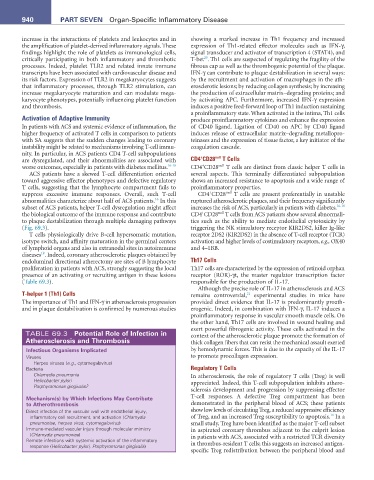
        (Table 69.3).                                          responsible for the production of IL-17.
                                                                  Although the precise role of IL-17 in atherosclerosis and ACS
        T-helper 1 (Th1) Cells                                 remains controversial,  experimental studies in mice have
                                                                                  21
        The importance of Th1 and IFN-γ in atherosclerosis progression   provided direct evidence that IL-17 is predominantly proath-
        and in plaque destabilization is confirmed by numerous studies   erogenic. Indeed, in combination with IFN-γ, IL-17 induces a
                                                               proinflammatory response in vascular smooth muscle cells. On
                                                               the other hand, Th17 cells are involved in wound healing and
                                                               exert powerful fibrogenic activity. These cells activated in the
         TABLE 69.3  Potential role of Infection in            context of the atherosclerotic plaque promote the formation of
         atherosclerosis and thrombosis                        thick collagen fibers that can resist the mechanical assault exerted
          Infectious Organisms Implicated                      by hemodynamic forces. This is due to the capacity of the IL-17
          Viruses                                              to promote procollagen expression.
            Herpes viruses (e.g., cytomegalovirus)
          Bacteria                                             Regulatory T Cells
            Chlamydia pneumonia                                In atherosclerosis, the role of regulatory T cells (Treg) is well
            Helicobacter pylori                                appreciated. Indeed, this T-cell subpopulation inhibits athero-
            Porphyromonas gingivalis?
                                                               sclerosis development and progression by suppressing effector
          Mechanism(s) by Which Infections May Contribute      T-cell responses.  A defective Treg compartment has been
          to atherothrombosis                                  demonstrated in the peripheral blood of ACS; these patients
          Direct infection of the vascular wall with endothelial injury,   show low levels of circulating Treg, a reduced suppressive efficiency
                                                                                                             16
           inflammatory cell recruitment, and activation (Chlamydia   of Treg, and an increased Treg susceptibility to apoptosis.  In a
           pneumoniae, herpes virus, cytomegalovirus)          small study, Treg have been identified as the major T-cell subset
          Immune-mediated vascular injury through molecular mimicry   in aspirated coronary thrombus adjacent to the culprit lesion
           (Chlamydia pneumoniae)                              in patients with ACS, associated with a restricted TCR diversity
          Remote infections with systemic activation of the inflammatory
           response (Helicobacter pylori, Porphyromonas gingivalis)  in thrombus-resident T cells; this suggests an increased antigen-
                                                               specific Treg redistribution between the peripheral blood and

