


Page 988 - Clinical Immunology_ Principles and Practice ( PDFDrive )
P. 988
954 ParT SEvEN Organ-Specific Inflammatory Disease
TABLE 70.3 Common and rare Clinical
Manifestations of Hypothyroidism
Common rare
Neuropsychiatric
Lethargy Cerebellar ataxia
Impaired cognitive function Deafness
Slow speech Psychosis
Depression
Gastrointestinal
Anorexia Ascites
Weight gain
Constipation and bloating
Abnormal liver function tests
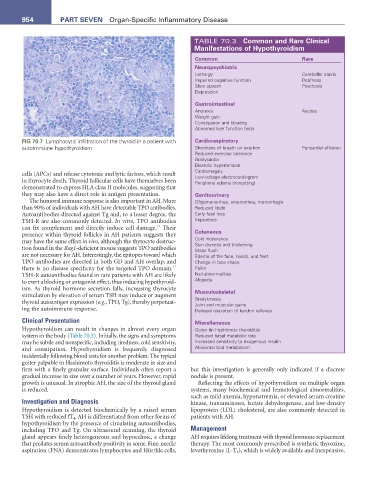
FIG 70.7 Lymphocytic infiltration of the thyroid in a patient with Cardiorespiratory
autoimmune hypothyroidism. Shortness of breath on exertion Pericardial effusion
Reduced exercise tolerance
Bradycardia
Diastolic hypertension
Cardiomegaly
cells (APCs) and release cytotoxic and lytic factors, which result Low-voltage electrocardiogram
in thyrocyte death. Thyroid follicular cells have themselves been Peripheral edema (nonpitting)
demonstrated to express HLA class II molecules, suggesting that
they may also have a direct role in antigen presentation. Genitourinary
The humoral immune response is also important in AH. More Oligomenorrhea, amenorrhea, menorrhagia
than 90% of individuals with AH have detectable TPO antibodies. Reduced libido
Autoantibodies directed against Tg and, to a lesser degree, the Early fetal loss
TSHR are also commonly detected. In vitro, TPO antibodies Impotence
17
can fix complement and directly induce cell damage. Their
presence within thyroid follicles in AH patients suggests they Cutaneous
may have the same effect in vivo, although the thyrocyte destruc Cold intolerance
Skin dryness and thickening
tion found in the Rag1-deficient mouse suggests TPO antibodies Malar flush
are not necessary for AH. Interestingly, the epitopes toward which Edema of the face, hands, and feet
TPO antibodies are directed in both GD and AH overlap, and Change in face shape
17
there is no disease specificity for the targeted TPO domain. Pallor
TSHR autoantibodies found in rare patients with AH are likely Nail abnormalities
to exert a blocking or antagonist effect, thus inducing hypothyroid Alopecia
ism. As thyroid hormone secretion falls, increasing thyrocyte Musculoskeletal
stimulation by elevation of serum TSH may induce or augment
thyroid autoantigen expression (e.g., TPO, Tg), thereby perpetuat Bradykinesia
Joint and muscular pains
ing the autoimmune response. Delayed relaxation of tendon reflexes
Clinical Presentation Miscellaneous
Hypothyroidism can result in changes in almost every organ Goiter (in Hashimoto thyroiditis)
system in the body (Table 70.3). Initially, the signs and symptoms Reduced basal metabolic rate
may be subtle and nonspecific, including tiredness, cold sensitivity, Increased sensitivity to exogenous insulin
and constipation. Hypothyroidism is frequently diagnosed Abnormal lipid metabolism
incidentally following blood tests for another problem. The typical
goiter palpable in Hashimoto thyroiditis is moderate in size and
firm with a finely granular surface. Individuals often report a but this investigation is generally only indicated if a discrete
gradual increase in size over a number of years. However, rapid nodule is present.
growth is unusual. In atrophic AH, the size of the thyroid gland Reflecting the effects of hypothyroidism on multiple organ
is reduced. systems, many biochemical and hematological abnormalities,
such as mild anemia, hyponatremia, or elevated serum creatine
Investigation and Diagnosis kinase, transaminases, lactate dehydrogenase, and lowdensity
Hypothyroidism is detected biochemically by a raised serum lipoprotein (LDL) cholesterol, are also commonly detected in
TSH with reduced fT 4 . AH is differentiated from other forms of patients with AH.
hypothyroidism by the presence of circulating autoantibodies,
including TPO and Tg. On ultrasound scanning, the thyroid Management
gland appears finely heterogeneous and hypoechoic, a change AH requires lifelong treatment with thyroid hormone replacement
that predates serum autoantibody positivity in some. Fineneedle therapy. The most commonly prescribed is synthetic thyroxine,
aspiration (FNA) demonstrates lymphocytes and Hürthle cells, levothyroxine (LT 4 ), which is widely available and inexpensive.

