


Page 13 - Technology and Innovation Journal - 19-1
P. 13
UNIVERSITY-BASED TECHNOLOGY ACCELERATORS                     351


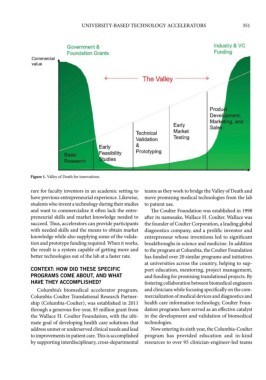
            Figure 1. Valley of Death for innovations.

             rare for faculty inventors in an academic setting to  teams as they work to bridge the Valley of Death and
             have previous entrepreneurial experience. Likewise,  move promising medical technologies from the lab
             students who invent a technology during their studies  to patient use.
             and want to commercialize it often lack the entre-    The Coulter Foundation was established in 1998
             preneurial skills and market knowledge needed to  after its namesake, Wallace H. Coulter. Wallace was
             succeed. Thus, accelerators can provide participants  the founder of Coulter Corporation, a leading global
             with needed skills and the means to obtain market  diagnostics company, and a prolific inventor and
             knowledge while also supplying some of the valida-  entrepreneur whose inventions led to significant
             tion and prototype funding required. When it works,  breakthroughs in science and medicine. In addition
             the result is a system capable of getting more and  to the program at Columbia, the Coulter Foundation
             better technologies out of the lab at a faster rate.  has funded over 20 similar programs and initiatives
                                                        at universities across the country, helping to sup-
             CONTEXT: HOW DID THESE SPECIFIC            port education, mentoring, project management,
             PROGRAMS COME ABOUT, AND WHAT              and funding for promising translational projects. By
             HAVE THEY ACCOMPLISHED?                    fostering collaboration between biomedical engineers
               Columbia’s biomedical accelerator program,  and clinicians while focusing specifically on the com-
             Columbia-Coulter Translational Research Partner-  mercialization of medical devices and diagnostics and
             ship (Columbia-Coulter), was established in 2011  health care information technology, Coulter Foun-
             through a generous five-year, $5 million grant from  dation programs have served as an effective catalyst
             the Wallace H. Coulter Foundation, with the ulti-  in the development and validation of biomedical
             mate goal of developing health care solutions that  technologies.
             address unmet or underserved clinical needs and lead    Now entering its sixth year, the Columbia-Coulter
             to improvements in patient care. This is accomplished  program has provided education and in-kind
             by supporting interdisciplinary, cross-departmental  resources to over 95 clinician-engineer-led teams

