


Page 911 - MARSIUM'21 COMP OF PAPER
P. 911
912 Tan Yi Ting & Dr Adaviah (2022)
Store environment is the most obvious structure that is related to customers’ brand choice whereas
other product prices displayed in store will be the reference price (Rajendran and Tellis, 1994).
Reference price not just consists of the past prices but also product purchase frequency, store
characteristics, and price trends (Briesch, Krishnamurthi & Mazumdar, 1997). In-store atmosphere is
determined by the physical characteristics of a retail store or space utilization in creating an eye-
catching image to attract customers’ attention and additional human senses such as sound and smell.
A “pleasant” atmosphere triggered a customer buying mood in order to spend more money. This study
predicts the store environment may influence external reference prices. Thus, this study posits:
H4: Store environment will positively and significantly influence customer purchase intention.
2.2.1.2 Product Category
A product able to bring both utilitarian and hedonic benefits (Hirschman and Holbrook, 1982). One
of the sources of hedonic benefits came from the pleasure gained by individuals on the good taste of
food. In contrast, utilitarian benefits (in this case, food) are linked to instrumental functionality such
as low price, low calorie content or high nutritional value. The products mostly seek to provide
consumers with a combination of hedonic and utilitarian benefits. Customers tend to compare the price
information of the brand they buy usually with the nutrition level, ingredients and way to serve before
any consumers’ decision making process. If the customers don’t have any past price information or
past experience, they are likely to use price information from other brands or product categories to
form price expectations for a particular product (Jacobson and Obermiller, 1990). With the speed of
changing human life, frozen food has become the more favourable choices among the individuals. This
study predicts that the product category may influence external reference prices. Thus, this study posits:
H5: Product category will positively and significantly influence customer purchase intention.
2.3 RESEARCH FRAMEWORK MODEL
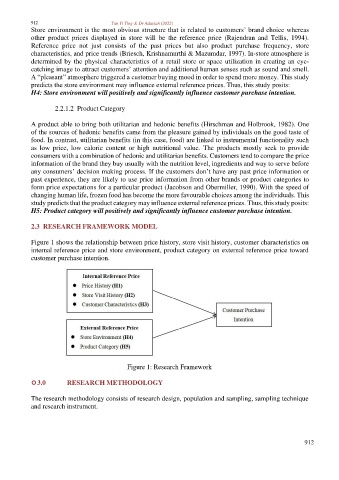
Figure 1 shows the relationship between price history, store visit history, customer characteristics on
internal reference price and store environment, product category on external reference price toward
customer purchase intention.
Figure 1: Research Framework
3.0 RESEARCH METHODOLOGY
The research methodology consists of research design, population and sampling, sampling technique
and research instrument.
912

