


Page 163 - leadership-experience-2008
P. 163
CikguOnline
      CikguOnline
            144                                                                  PART 3: THE PERSONAL SIDE OF LEADERSHIP

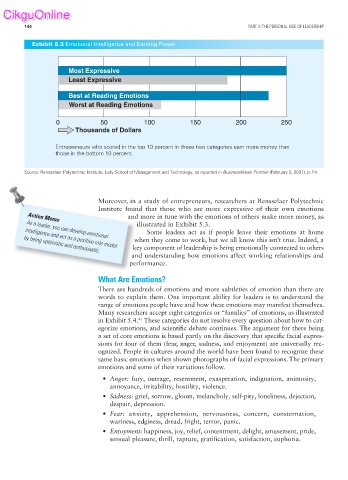
               Exhibit 5.3 Emotional Intelligence and Earning Power


                          Most Expressive
                          Least Expressive

                          Best at Reading Emotions
                          Worst at Reading Emotions

                      0 0           50           100           150           200           250
                                    50
                                                 100
                            Thousands of Dollars
                      Entrepreneurs who scored in the top 10 percent in these two categories earn more money than
                      those in the bottom 10 percent.


            Source: Rensselaer Polytechnic Institute, Lally School of Management and Technology, as reported in BusinessWeek Frontier (February 5, 2001), p. F4.


                                   Moreover, in a study of entrepreneurs, researchers at Rensselaer Polytechnic
                                   Institute found that those who are more expressive of their own emotions
                                            and more in tune with the emotions of others make more money, as
             Action Memo
                                                 illustrated in  Exhibit 5.3.
                                                  Some leaders act as if people leave their emotions at home
             As a leader, you can develop emotional
                                              when they come to work, but we all know this isn’t true. Indeed, a
            intelligence and act as a positive role model
                                              key component of leadership is being emotionally connected to others
            by being optimistic and enthusiastic.
                                             and understanding how emotions affect working relationships and
                                             performance.
                                   What Are Emotions?
                                   There are hundreds of emotions and more subtleties of emotion than there are
                                   words to explain them. One important ability for leaders is to understand the
                                   range of emotions people have and how these emotions may manifest themselves.
                                   Many researchers accept eight categories or “families” of emotions, as illustrated
                                   in Exhibit 5.4.  These categories do not resolve every question about how to cat-
                                               41

                                   egorize emotions, and scientific debate continues. The argument for there being
                                   a set of core emotions is based partly on the discovery that specific facial expres-

                                   sions for four of them (fear, anger, sadness, and enjoyment) are universally rec-
                                   ognized. People in cultures around the world have been found to recognize these
                                   same basic emotions when shown photographs of facial expressions. The primary
                                   emotions and some of their variations follow.
                                    •  Anger: fury, outrage, resentment, exasperation, indignation, animosity,
                                       annoyance, irritability, hostility, violence.
                                    •  Sadness: grief, sorrow, gloom, melancholy, self-pity, loneliness, dejection,
                                       despair, depression.
                                    •  Fear: anxiety, apprehension, nervousness, concern, consternation,
                                       wariness, edginess, dread, fright, terror, panic.
                                    •  Enjoyment: happiness, joy, relief, contentment, delight, amusement, pride,
                                       sensual pleasure, thrill, rapture, gratification, satisfaction, euphoria.

