


Page 135 - ANUAL REPORT MOH 2017
P. 135
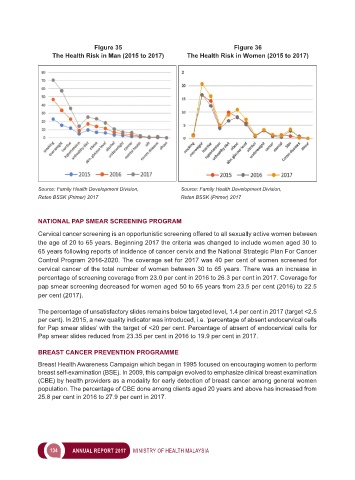
Figure 35                                    Figure 36
                  The Health Risk in Man (2015 to 2017)      The Health Risk in Women (2015 to 2017)


             Source: Family Health Development Division,    Source: Family Health Development Division,
             Reten BSSK (Primer) 2017                      Reten BSSK (Primer) 2017


             NATIONAL PAP SMEAR SCREENING PROGRAM

             Cervical cancer screening is an opportunistic screening offered to all sexually active women between
             the age of 20 to 65 years. Beginning 2017 the criteria was changed to include women aged 30 to
             65 years following reports of incidence of cancer cervix and the National Strategic Plan For Cancer
             Control Program 2016-2020. The coverage set for 2017 was 40 per cent of women screened for
             cervical cancer of the total number of women between 30 to 65 years. There was an increase in
             percentage of screening coverage from 23.0 per cent in 2016 to 26.3 per cent in 2017. Coverage for
             pap smear screening decreased for women aged 50 to 65 years from 23.5 per cent (2016) to 22.5
             per cent (2017).

             The percentage of unsatisfactory slides remains below targeted level, 1.4 per cent in 2017 (target <2.5
             per cent). In 2015, a new quality indicator was introduced, i.e. ‘percentage of absent endocervical cells
             for Pap smear slides’ with the target of <20 per cent. Percentage of absent of endocervical cells for
             Pap smear slides reduced from 23.35 per cent in 2016 to 19.9 per cent in 2017.

             BREAST CANCER PREVENTION PROGRAMME

             Breast Health Awareness Campaign which began in 1995 focused on encouraging women to perform
             breast self-examination (BSE). In 2009, this campaign evolved to emphasize clinical breast examination
             (CBE) by health providers as a modality for early detection of breast cancer among general women
             population. The percentage of CBE done among clients aged 20 years and above has increased from
             25.8 per cent in 2016 to 27.9 per cent in 2017.


                 134    ANNUAL REPORT 2017     MINISTRY OF HEALTH MALAYSIA

