


Page 112 - Basic Course
P. 112
KNX BASIC COURSE
17 The overvoltage arrester terminal
Bus overvoltage arrester Recommended usage
To bus devices with 230 V mains connection
To line and area couplers on both lines
To bus devices installed in conductive walls or in
the vicinity of water pipes, gas pipes etc.
To bus cable ends
At the edge of buildings
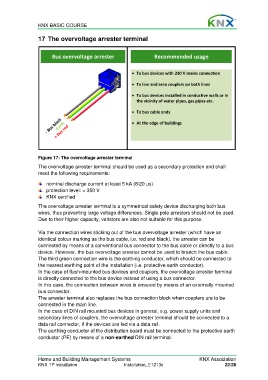
Figure 17: The overvoltage arrester terminal
The overvoltage arrester terminal should be used as a secondary protection and shall
meet the following requirements:
nominal discharge current at least 5 kA (8/20 µs)
protection level: < 350 V
KNX certified
The overvoltage arrester terminal is a symmetrical safety device discharging both bus
wires, thus preventing large voltage differences. Single pole arresters should not be used.
Due to their higher capacity, varistors are also not suitable for this purpose.
Via the connection wires sticking out of the bus overvoltage arrester (which have an
identical colour marking as the bus cable, i.e. red and black), the arrester can be
connected by means of a conventional bus connector to the bus cable or directly to a bus
device. However, the bus overvoltage arrester cannot be used to branch the bus cable.
The third green connection wire is the earthing conductor, which should be connected to
the nearest earthing point of the installation (i.e. protective earth conductor).
In the case of flush-mounted bus devices and couplers, the overvoltage arrester terminal
is directly connected to the bus device instead of using a bus connector.
In this case, the connection between wires is ensured by means of an externally mounted
bus connector.
The arrester terminal also replaces the bus connection block when couplers are to be
connected in the main line.
In the case of DIN rail mounted bus devices in general, e.g. power supply units and
secondary lines of couplers, the overvoltage arrester terminal should be connected to a
data rail connector, if the devices are fed via a data rail.
The earthing conductor of the distribution board must be connected to the protective earth
conductor (PE) by means of a non-earthed DIN rail terminal.
Home and Building Management Systems KNX Association
KNX TP Installation Installation_E1213c 22/28

