


Page 35 - sarah-simblet_sketch-book-for-the-artist
P. 35
35

                                                                                           PEN AND INK

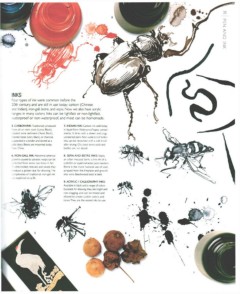
INKS

Four types of ink were common before the
20th century, and are still in use today: carbon (Chinese
and Indian), iron-gall, bistre, and sepia. Now we also have acrylic
ranges in many colors. Inks can be lightfast or non-lightfast,
waterproof or non-waterproof, and most can be homemade.

5. C A R B O N INK: Traditionally produced     7. I N D I A N INK: Carbon ink sold today
 from oil or resin soot (Lamp Black),          in liquid form. Waterproof types contain
 roastedwine sediment (Yeast Black).           shellac. It dries with a sheen and clogs
  charred bone (Ivory Black), or charcoal,     uncleaned pens. Non-waterproof Indian
   suspended in a binder and stored as a       inks can be reworked with a wet brush
solidblock Blocks are imported today           after drying. Old stock turns solid and
                                               bfortotlmesCahrienan.ot dated.

6. I R O N - G A L L INK: Abnormal spherical   8. SEPIA A N D BISTRE INKS: Sepia,
  growths caused by parasitic wasps can be     an often misused term, is the ink of a
                                               cuttlefish or squid extracted post-mortem.
collected from some oak trees in fall.         Bistre is the more humane use of soot
   Crushed, boiled, reduced, and sieved, they  scraped from the fireplace and ground
  produce a golden dye for drawing. The        into wine. Beechwood soot is best.

 complexitiesof traditional iron-gall ink      9. ACRYLIC / CALLIGRAPHY INKS:
  are explained on p.36.                       Available in black and a range of colors.
                                               Excellent for drawing they are bright and
                                               non-clogging, and can be mixed and
                                               diluted to create subtler colors and
                                               tones. They are the easiest inks to use.

