


Page 600 - fbkCardioDiabetes_2017
P. 600
576 Exercise and Physical Activity in Diabetes Mellitus
WITH DIABETES specific reference to change in body weight and fat
stores. Compared with the control group, supervised
Lower blood glucose Improvement in mild exercise produced significant improvements in cardio
concentrationsDuring to moderate hyperten- respiratory fitness, upper and lower body strength,
and after exercise sion HbA C, systolic and diastolic blood pressure, total
1
Lower basal and post Increased energy ex- serum cholesterol, HDL-C and LDL-C, body mass
prandial insulin concen- penditure index (BMI), waist circumference, insulin resistance,
trations inflammation (C reactive protein), leptin and CHD risk
Adjunct to diet for scores, independent of body weight loss. It is also
weight reduction
said that aerobic training increased mitochondrial
Increased fat loss density, oxidative enzymes, pulmonary function, im-
mune function and cardiac output.
Preservation of lean
body mass Two meta analysis have shown that regular exercise
undertaken, can decrease the overall risk of cardio-
vascular events up to 50%, from various mechanisms
Improved insulin Cardiovascular condi- including anti atherosclerotic, antiishemic, antiar-
sensitivity tioning rhythmic, antithrombotic and psychological effects.
Lower HbA1C levels Increased strength As already noted, aerobic exercise with or without
and flexibilit resistance training, has favorable effects on the di-
Improved lipid profile Improved sense of abetic patients cardio vascular risk factors profile as
well being and quality well as on coagulability, fibrinolysis and coronary en-
Increased triglycerides dothelial function. It is also said that 40% of the risk
of life
Slightly decreased reduction presumably not explained by changes in
LDL cholesterol conventional risk factors, a cardio protective vascular
condition effect of the exercise including enhanced
Increased HDL2 cho- nitric oxide vasodilator function, improved vascular
lesterol reactivity, altered vascular structure or combination
Cardio Vascular Benefits of Regular Exercise: thereof has been proposed. Increased threshold to
life threatening arrhythmias and increased resistance
Several recent randomized controlled trails in pa- to ventricular fibrillation have also been postulated,
tients with T DM have investigated the effects of reflect exercise-related autonomic system adapta-
2
moderate to vigorous aerobic exercise and resistance tion. Endurance training produces reduction in rest-
training on cardio respiratory fitness, modifiable car- ing sympathetic drive. Vagal tone and heart rate vari-
dio vascular risk factors and arterial stiffness, with ability are increased (fig 1)
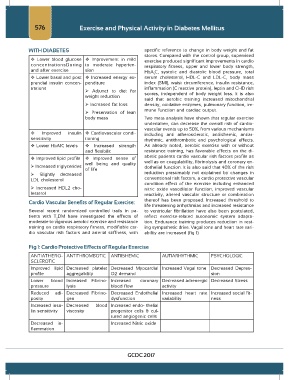
Fig 1: Cardio Protective Effects of Regular Exercise
ANTIATHERO- ANTITHROMBOTIC ANTIISHEMIC AUTIARHYTHMIC PSYCHOLOGIC
SCLEROTIC
Improved lipid Decreased platelet Decreased Myocardial Increased Vagal tone Decreased Depres-
profile aggregability O2 demand sion
Lower blood Increased Fibrino- Increased coronary Decreased adrenergic Decreased Stress
pressure lysis blood flow activity
Reduced adi- Decreased Fibrino- Decreased Endothelial Increased heart rate Increased social fit-
posity gen dysfunction variability ness
Increased insu- Decreased blood Increased endo- thelial
lin sensitivity viscosity progenitor cells & cul-
tured angiogenic cells
Decreased in- Increased Nitric oxide
flammation
GCDC 2017

