


Page 387 - Hall et al (2015) Principles of Critical Care-McGraw-Hill
P. 387
CHAPTER 33: Shock   257


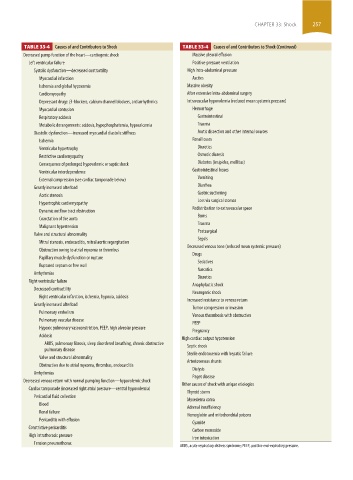
                      TABLE 33-4    Causes of and Contributors to Shock     TABLE 33-4    Causes of and Contributors to Shock (Continued)
                    Decreased pump function of the heart—cardiogenic shock      Massive pleural effusion
                      Left ventricular failure                               Positive-pressure ventilation
                        Systolic dysfunction—decreased contractility        High intra-abdominal pressure
                        Myocardial infarction                                Ascites
                          Ischemia and global hypoxemia                     Massive obesity
                        Cardiomyopathy                                      After extensive intra-abdominal surgery
                        Depressant drugs: β-blockers, calcium channel blockers, antiarrhythmics  Intravascular hypovolemia (reduced mean systemic pressure)
                        Myocardial contusion                                  Hemorrhage
                        Respiratory acidosis                                   Gastrointestinal
                          Metabolic derangements: acidosis, hypophosphatemia, hypocalcemia     Trauma
                        Diastolic dysfunction—increased myocardial diastolic stiffness      Aortic dissection and other internal sources
                        Ischemia                                              Renal losses
                        Ventricular hypertrophy                                Diuretics
                        Restrictive cardiomyopathy                             Osmotic diuresis
                          Consequence of prolonged hypovolemic or septic shock      Diabetes (insipidus, mellitus)
                        Ventricular interdependence                           Gastrointestinal losses
                          External compression (see cardiac tamponade below)     Vomiting
                                                                               Diarrhea
                        Greatly increased afterload
                                                                               Gastric suctioning
                        Aortic stenosis
                                                                                Loss via surgical stomas
                        Hypertrophic cardiomyopathy
                          Dynamic outflow tract obstruction                   Redistribution to extravascular space
                                                                               Burns
                          Coarctation of the aorta
                                                                               Trauma
                        Malignant hypertension
                        Valve and structural abnormality                       Postsurgical
                          Mitral stenosis, endocarditis, mitral aortic regurgitation     Sepsis
                                                                            Decreased venous tone (reduced mean systemic pressure)
                          Obstruction owing to atrial myxoma or thrombus
                          Papillary muscle dysfunction or rupture             Drugs
                          Ruptured septum or free wall                         Sedatives
                                                                               Narcotics
                       Arrhythmias
                                                                               Diuretics
                      Right ventricular failure                               Anaphylactic shock
                       Decreased contractility                                Neurogenic shock
                          Right ventricular infarction, ischemia, hypoxia, acidosis
                                                                            Increased resistance to venous return
                        Greatly increased afterload                           Tumor compression or invasion
                        Pulmonary embolism                                    Venous thrombosis with obstruction
                        Pulmonary vascular disease
                                                                              PEEP
                          Hypoxic pulmonary vasoconstriction, PEEP, high alveolar pressure
                                                                              Pregnancy
                        Acidosis                                          High cardiac output hypotension
                             ARDS, pulmonary fibrosis, sleep disordered breathing, chronic obstructive    Septic shock
                           pulmonary disease
                                                                            Sterile endotoxemia with hepatic failure
                          Valve and structural abnormality                  Arteriovenous shunts
                          Obstruction due to atrial myxoma, thrombus, endocarditis
                                                                              Dialysis
                       Arrhythmias
                                                                              Paget disease
                    Decreased venous return with normal pumping function—hypovolemic shock
                                                                          Other causes of shock with unique etiologies
                      Cardiac tamponade (increased right atrial pressure—central hypovolemia)  Thyroid storm
                        Pericardial fluid collection                        Myxedema coma
                        Blood
                                                                            Adrenal insufficiency
                        Renal failure                                       Hemoglobin and mitochondrial poisons
                        Pericarditis with effusion                            Cyanide
                      Constrictive pericarditis
                                                                              Carbon monoxide
                      High intrathoracic pressure
                                                                              Iron intoxication
                       Tension pneumothorax
                                                                          ARDS, acute respiratory distress syndrome; PEEP, positive end-expiratory pressure.


            section03.indd   257                                                                                       1/23/2015   2:06:56 PM

