


Page 240 - Clinical Anatomy
P. 240
ECA4  7/18/06  6:47 PM  Page 225


                                                       The bones and joints of the lower limb  225


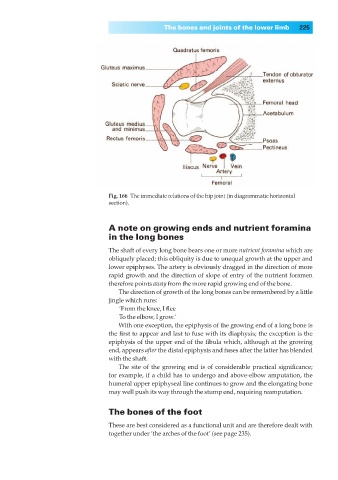
                                        Fig. 166◊The immediate relations of the hip joint (in diagrammatic horizontal
                                        section).


                                        A note on growing ends and nutrient foramina
                                        in the long bones

                                        The shaft of every long bone bears one or more nutrient foramina which are
                                        obliquely placed; this obliquity is due to unequal growth at the upper and
                                        lower epiphyses. The artery is obviously dragged in the direction of more
                                        rapid growth and the direction of slope of entry of the nutrient foramen
                                        therefore points away from the more rapid growing end of the bone.
                                          The direction of growth of the long bones can be remembered by a little
                                        jingle which runs:
                                           ‘From the knee, I flee
                                           To the elbow, I grow.’
                                          With one exception, the epiphysis of the growing end of a long bone is
                                        the first to appear and last to fuse with its diaphysis; the exception is the
                                        epiphysis of the upper end of the fibula which, although at the growing
                                        end, appears after the distal epiphysis and fuses after the latter has blended
                                        with the shaft.
                                          The site of the growing end is of considerable practical significance;
                                        for example, if a child has to undergo and above-elbow amputation, the
                                        humeral upper epiphyseal line continues to grow and the elongating bone
                                        may well push its way through the stump end, requiring reamputation.

                                        The bones of the foot

                                        These are best considered as a functional unit and are therefore dealt with
                                        together under ‘the arches of the foot’ (see page 235).

