


Page 296 - Clinical Anatomy
P. 296
ECA5  7/18/06  6:50 PM  Page 281


                                                                                The pharynx    281


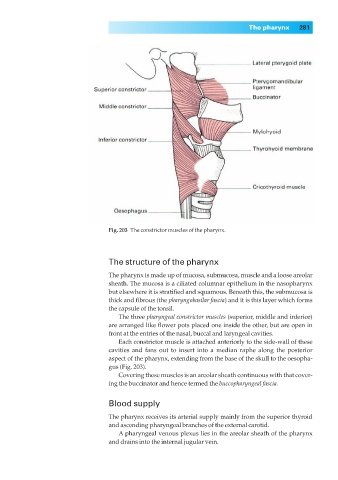
                                        Fig. 203◊The constrictor muscles of the pharynx.


                                       The structure of the pharynx

                                       The pharynx is made up of mucosa, submucosa, muscle and a loose areolar
                                       sheath. The mucosa is a ciliated columnar epithelium in the nasopharynx
                                       but elsewhere it is stratified and squamous. Beneath this, the submucosa is
                                       thick and fibrous (the pharyngobasilar fascia) and it is this layer which forms
                                       the capsule of the tonsil.
                                          The three pharyngeal constrictor muscles (superior, middle and inferior)
                                        are arranged like flower pots placed one inside the other, but are open in
                                        front at the entries of the nasal, buccal and laryngeal cavities.
                                          Each constrictor muscle is attached anteriorly to the side-wall of these
                                        cavities and fans out to insert into a median raphe along the posterior
                                        aspect of the pharynx, extending from the base of the skull to the oesopha-
                                        gus (Fig. 203).
                                          Covering these muscles is an areolar sheath continuous with that cover-
                                        ing the buccinator and hence termed the buccopharyngeal fascia.

                                       Blood supply

                                       The pharynx receives its arterial supply mainly from the superior thyroid
                                       and ascending pharyngeal branches of the external carotid.
                                          A pharyngeal venous plexus lies in the areolar sheath of the pharynx
                                        and drains into the internal jugular vein.

