


Page 873 - Hematology_ Basic Principles and Practice ( PDFDrive )
P. 873
756    Part VI  Non-Malignant Leukocytes


                                                           Elevated DNA load


                                               Symptoms                     No symptoms


                                                Imaging                     Monitor EBV
                                                                             DNA load


                                    Consistent               No         Increase    Stable/
                                     with LPD                LPD                   decrease

                                      Biopsy         Exclude non-LPD causes
                                 SOT: recommended    HSCT: consider Rituximab
                                 HSCT: depends on    for patients with progressive
                                 clinical scenario   increase of EBV-DNA load


                                No LPD      LPD
                               Treat other
                                causes


                                  SOT:                HSCT:
                              1) RI           1) Rituximab
                              2) Rituximab +/–  2) T-cell therapy if available
                                  chemotherapy  3) Rituximab + chemotherapy
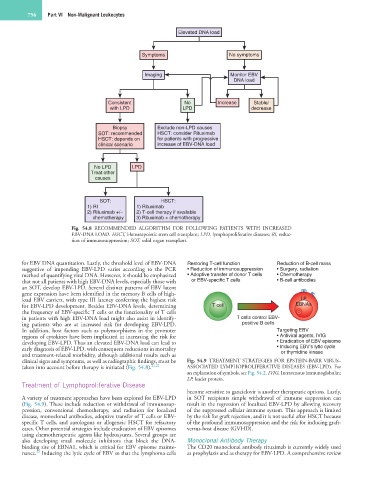
                        Fig.  54.8  RECOMMENDED  ALGORITHM  FOR  FOLLOWING  PATIENTS  WITH  INCREASED
                        EBV-DNA LOAD. HSCT, Hematopoietic stem cell transplant; LPD, lymphoproliferative diseases; RI, reduc-
                        tion of immunosuppression; SOT, solid organ transplant.


        for EBV DNA quantitation. Lastly, the threshold level of EBV-DNA   Restoring T-cell function  Reduction of B-cell mass
        suggestive  of  impending  EBV-LPD  varies  according  to  the  PCR   • Reduction of immunosuppression  • Surgery, radiation
        method of quantifying viral DNA. However, it should be emphasized   • Adoptive transfer of donor T cells  • Chemotherapy
        that not all patients with high EBV-DNA levels, especially those with      or EBV-specific T cells  • B-cell antibodies
        an SOT, develop EBV-LPD. Several distinct patterns of EBV latent
        gene expression have been identified in the memory B cells of high-
        load EBV carriers, with type III latency conferring the highest risk                       LP
        for EBV-LPD development. Besides EBV-DNA levels, determining   T cell                     EBNAs
        the frequency of EBV-specific T cells or the functionality of T cells
        in patients with high EBV-DNA load might also assist in identify-     T cells control EBV-
        ing  patients  who  are  at  increased  risk  for  developing  EBV-LPD.   positive B cells
        In  addition,  host  factors  such  as  polymorphisms  in  the  promoter            Targeting EBV
        regions of cytokines have been implicated in increasing the risk for                • Antiviral agents, IVIG
        developing EBV-LPD. Thus an elevated EBV-DNA load can lead to                       • Eradication of EBV episome
        early diagnosis of EBV-LPD, with consequent reductions in mortality                 • Inducing EBV’s lytic cycle
        and treatment-related morbidity, although additional results such as                   or thymidine kinase
        clinical signs and symptoms, as well as radiographic findings, must be   Fig. 54.9  TREATMENT STRATEGIES FOR EPSTEIN-BARR VIRUS–
        taken into account before therapy is initiated (Fig. 54.8). 21,22  ASSOCIATED LYMPHOPROLIFERATIVE DISEASES (EBV-LPD). For
                                                              an explanation of symbols, see Fig. 54.2. IVIG, Intravenous immunoglobulin;
                                                              LP, leader protein.
        Treatment of Lymphoproliferative Disease
                                                              become sensitive to ganciclovir is another therapeutic options. Lastly,
        A variety of treatment approaches have been explored for EBV-LPD   in  SOT  recipients  simple  withdrawal  of  immune  suppression  can
        (Fig. 54.9). These include reduction or withdrawal of immunosup-  result in the regression of localized EBV-LPD by allowing recovery
        pression,  conventional  chemotherapy,  and  radiation  for  localized   of the suppressed cellular immune system. This approach is limited
        disease, monoclonal antibodies, adoptive transfer of T cells or EBV-  by the risk for graft rejection, and it is not useful after HSCT because
        specific T cells, and autologous or allogeneic HSCT for refractory   of the profound immunosuppression and the risk for inducing graft-
        cases. Other potential strategies include eradication of EBV episomes   versus-host disease (GVHD).
        using chemotherapeutic agents like hydroxyurea. Several groups are
        also  developing  small  molecule  inhibitors  that  block  the  DNA-  Monoclonal Antibody Therapy
        binding site of EBNA1, which is critical for EBV episome mainte-  The CD20 monoclonal antibody rituximab is currently widely used
             23
        nance.  Inducing the lytic cycle of EBV so that the lymphoma cells   as prophylaxis and as therapy for EBV-LPD. A comprehensive review

