


Page 1216 - Williams Hematology ( PDFDrive )
P. 1216
1190  Part IX:  Lymphocytes and Plasma Cells                    Chapter 77:  Functions of Natural Killer Cells       1191


                  as IFN-α/β, IL-2, IL-12, IL-15, and IL-18. 32–34  Resting NK cells constitu-  activation induced by viral infection may have beneficial or pathogenic
                  tively express intermediate-affinity IL-2 receptors, and IL-2 induces the   effects.  After expansion in response to MCMV infection, NK cells
                                                                             44
                  progression of most NK cells into the cell cycle. 35  expressing the activating Ly49H receptor persist for several months and
                                                                        respond rapidly to rechallenge with MCMV, thus possessing immuno-
                                                                                   9
                  PRODUCTION OF CYTOKINES                               logic memory.  Similarly, a subset of liver-resident NK cells can mediate
                                                                        antigen-specific  contact  hypersensitivity responses and immunologic
                  Many of the physiologic functions of NK cells are mediated at least partly   memory. 45,46
                  by their ability to secrete cytokines. NK cells are powerful producers of   NK cells enhance the response of phagocytic cells to microorgan-
                  IFN-γ and GM-CSF, and other cytokines and chemokines. Stimulation   isms, especially intracellular bacteria and parasites, by producing high
                  by cytokines, such as IL-2, IL-12, IL-18, TNF-α, and IL-1, 2,33,36,37  and trig-  levels of the phagocyte-activating cytokines IFN-γ and GM-CSF in
                  gering by activating receptors, such as CD16 interacting with immune   response to the microorganisms themselves or to factors, such as IL-12
                  complexes, are among the stimuli that, acting individually or often in   and TNF-α, produced by infected phagocytic cells. 47,48
                  synergistic combination, induce NK cells to produce cytokines. 2,38,39
                                                                        REGULATION OF ADAPTIVE IMMUNITY
                        PHYSIOLOGIC ROLES OF NATURAL                    NK cells, by interacting with infectious agents and antigens early during
                     KILLER CELLS                                       the immune response, have either stimulatory or inhibitory effects on
                                                                        the function of B and T cells and antigen-presenting cells.  Evidence
                                                                                                                    2
                  INNATE RESISTANCE                                     for an enhancing effect of NK cells on B-cell responses has been shown
                                                                        both in vitro and in vivo by studies demonstrating that NK cells in the
                  Together with myeloid cells, NK cells are effectors of the innate or natu-  absence of T cells support antigen-specific B-cell responses, partly by
                  ral resistance, which represents the first line of defense against infection   producing IFN-γ. 49,50  In certain infections, NK cells may be necessary
                  (Fig. 77–2). The ability of NK cells to participate in the resistance against   for optimal induction of both a CD4  and CD8  T-cell response. 51,52
                                                                                                            +
                                                                                                    +
                  infection by certain viruses is well documented in experimental animals   NK cells stimulated by microorganisms or by cytokines, such as IL-12
                  and is strongly suggested by the recurrent viral infections in the rare   and IL-18, produce large amounts of IFN-γ and other cytokines that
                  patients with a selective deficiency of NK cells.  NK cells selectively kill   facilitate T-helper cell type 1 development. 53,54  The reciprocal activating
                                                   40
                  virus-infected cells by a mechanism that is at least partly dependent on   interaction between NK cells and the antigen-presenting dendritic cells
                  the production of IFN-α, a potent stimulator of NK cell activity. 41,42  In   is important for the regulation of both innate resistance and the down-
                  vivo viral infection and type I IFN production usually are accompanied   stream adaptive response to pathogens. 55,56
                  by rapid activation of, and increase in the number of, NK cells.  The
                                                                 18
                  NK cell response to virus infection is followed by an antigen-specific
                  T helper and CTL response, which peaks 7 to 9 days after infection.    MODULATION OF HEMATOPOIESIS
                                                                    18
                  The early NK cell response induces a significant reduction in the titer of   Experimental and clinical studies have demonstrated that NK cells are
                  certain viruses, including mouse cytomegalovirus (MCMV).  NK cell   involved in the regulation of hematopoiesis.  The effect of NK cells
                                                                                                         57
                                                              43

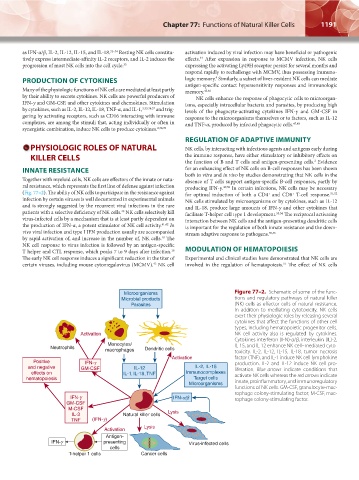
                                                                                         Figure 77–2.  Schematic of some of the func-
                                                                                         tions  and regulatory pathways of natural  killer
                                                                                         (NK) cells as effector cells of natural resistance.
                                                                                         In addition to mediating cytotoxicity, NK cells
                                                                                         exert their physiologic roles by releasing several
                                                                                         cytokines that affect the functions of other cell
                                                                                         types, including hematopoietic progenitor cells.
                                                                                         NK cell activity also is regulated by cytokines.
                                                                                         Cytokines interferon (IFN)-α/β, interleukin (IL)-2,
                                                                                         IL-15, and IL-12 enhance NK-cell–mediated cyto-
                                                                                         toxicity. IL-2, IL-12, IL-15, IL-18, tumor necrosis
                                                                                         factor (TNF), and IL-1 induce NK cell lymphokine
                                                                                         production.  IL-2  and  IL-12  induce  NK  cell  pro-
                                                                                         liferation.  Blue  arrows indicate conditions that
                                                                                         activate NK cells whereas the red arrows indicate
                                                                                         innate, proinflammatory, and immunoregulatory
                                                                                         functions of NK cells. GM-CSF, granulocyte-mac-
                                                                                         rophage colony-stimulating factor; M-CSF, mac-
                                                                                         rophage colony-stimulating factor.


          Kaushansky_chapter 77_p1189-1194.indd   1191                                                                  9/21/15   11:23 AM

