


Page 1214 - Clinical Immunology_ Principles and Practice ( PDFDrive )
P. 1214
1178         Part tEN  Prevention and Therapy of Immunological Diseases


                                                  COOH
                  NH 2           CH 3                                                Sulfasalazine
                         N   CH 3  N         C  NHCH                 HOOC
                N
                                             O     CH 2              HO          N  N          SO 2  NH

             H N         N                         CH 2                                                 N
              2
                   N
                                                  COOH
                              Methotrexate                           HOOC
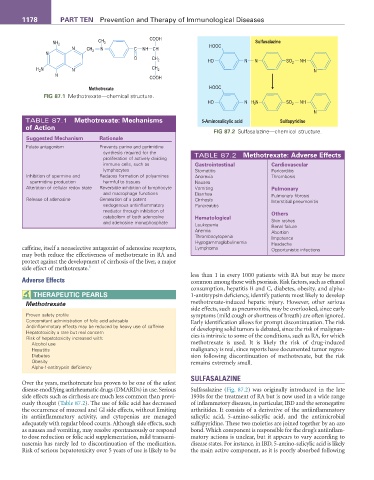
               FIG 87.1  Methotrexate—chemical structure.
                                                                     HO          N  H 2 N      SO 2  NH
                                                                                                        N
         TABLE 87.1  Methotrexate: Mechanisms                      5-Aminosalicylic acid     Sulfapyridine
         of action
                                                                       FIG 87.2  Sulfasalazine—chemical structure.
          Suggested Mechanism     rationale
          Folate antagonism       Prevents purine and pyrimidine
                                   synthesis required for the    TABLE 87.2  Methotrexate: adverse Effects
                                   proliferation of actively dividing
                                   immune cells, such as         Gastrointestinal         Cardiovascular
                                   lymphocytes                   Stomatitis               Pericarditis
          Inhibition of spermine and   Reduces formation of polyamines   Anorexia         Thrombosis
           spermidine production   harmful to tissues            Nausea
          Alteration of cellular redox state  Reversible inhibition of lymphocyte   Vomiting  Pulmonary
                                   and macrophage functions      Diarrhea                 Pulmonary fibrosis
          Release of adenosine    Generation of a potent         Cirrhosis                Interstitial pneumonitis
                                   endogenous antiinflammatory   Pancreatitis
                                   mediator through inhibition of                         Others
                                   catabolism of both adenosine   Hematological
                                   and adenosine monophosphate   Leukopenia               Skin rashes
                                                                                          Renal failure
                                                                 Anemia                   Abortion
                                                                 Thrombocytopenia         Impotence
                                                                 Hypogammaglobulinemia    Headache
        caffeine, itself a nonselective antagonist of adenosine receptors,   Lymphoma     Opportunistic infections
        may both reduce the effectiveness of methotrexate in RA and
        protect against the development of cirrhosis of the liver, a major
        side effect of methotrexate. 5
                                                               less than 1 in every 1000 patients with RA but may be more
        Adverse Effects                                        common among those with psoriasis. Risk factors, such as ethanol
                                                               consumption, hepatitis B and C, diabetes, obesity, and alpha-
            tHEraPEUtIC PEarLS                                 1-antitrypsin deficiency, identify patients most likely to develop
         Methotrexate                                          methotrexate-induced hepatic injury. However, other serious
                                                               side effects, such as pneumonitis, may be overlooked, since early
          Proven safety profile                                symptoms (mild cough or shortness of breath) are often ignored.
          Concomitant administration of folic acid advisable   Early identification allows for prompt discontinuation. The risk
          Antiinflammatory effects may be reduced by heavy use of caffeine  of developing solid tumors is debated, since the risk of malignan-
          Hepatotoxicity a rare but real concern
          Risk of hepatotoxicity increased with:               cies is intrinsic to some of the conditions, such as RA, for which
           Alcohol use                                         methotrexate is used. It is likely the risk of drug-induced
           Hepatitis                                           malignancy is real, since reports have documented tumor regres-
           Diabetes                                            sion following discontinuation of methotrexate, but the risk
           Obesity                                             remains extremely small.
           Alpha-1-antitrypsin deficiency
                                                               SULFASALAZINE
        Over the years, methotrexate has proven to be one of the safest
        disease-modifying antirheumatic drugs (DMARDs) in use. Serious   Sulfasalazine (Fig. 87.2) was originally introduced in the late
        side effects such as cirrhosis are much less common than previ-  1930s for the treatment of RA but is now used in a wide range
        ously thought (Table 87.2). The use of folic acid has decreased   of inflammatory diseases, in particular, IBD and the seronegative
        the occurrence of mucosal and GI side effects, without limiting   arthritides. It consists of a derivative of the antiinflammatory
        its antiinflammatory activity, and cytopenias are managed   salicylic  acid,  5-amino-salicylic acid,  and the  antimicrobial
        adequately with regular blood counts. Although side effects, such   sulfapyridine. These two moieties are joined together by an azo
        as nausea and vomiting, may resolve spontaneously or respond   bond. Which component is responsible for the drug’s antiinflam-
        to dose reduction or folic acid supplementation, mild transami-  matory actions is unclear, but it appears to vary according to
        nasemia  has  rarely  led to discontinuation  of the  medication.   disease states. For instance, in IBD, 5-amino-salicylic acid is likely
        Risk of serious hepatotoxicity over 5 years of use is likely to be   the main active component, as it is poorly absorbed following

