


Page 229 - Clinical Immunology_ Principles and Practice ( PDFDrive )
P. 229
208          Part One  Principles of Immune Response


                                                  Microbial load
                                                    (per ml)
                                                                                              Glabella
                                                      2
                                              Stomach  10 –10 3
                                                                            Oral cavity
                                                                                              Nare
          Oxygen  Bile acids  Motility  AMPs  Lactobacilli  Duodenum

                                                     <10 5                  Lung
                       •Lactobacilli          Jejunum
                       •Streptococci                                                             Antecubital
                                                                                                 fossa
                     •Clostridia
                     •Enterobacteria                  3  7                 Colon
                     •Enterococcus            Ileum  10 –10
                     •E. faecalis
                     •Bacteroides
                     •Bifidobacteria
                     •Fusobacteria
                     •Lactobacilli
                     •Peptococci              Colon and  10 –10 12
                                                     9
                     •Peptostrptococci        Cecum
                     •Prevotellaceae
              SCFAs  pH  •Roseburia                                         Vagina                  Palm
                     •Ruminococci
                     •Verrucomicrobia
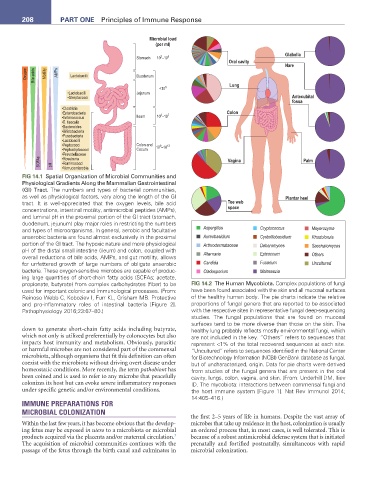
        FIG 14.1  Spatial Organization of Microbial Communities and
        Physiological Gradients Along the Mammalian Gastrointestinal
        (GI) Tract. The numbers and types of bacterial communities,
        as well as physiological factors, vary along the length of the GI                     Plantar heel
        tract. It is well-appreciated that the oxygen levels, bile acid     Toe web
        concentrations, intestinal motility, antimicrobial peptides (AMPs),   space
        and luminal pH in the proximal portion of the GI tract (stomach,
        duodenum, jejunum) play major roles in restricting the numbers
        and types of microorganisms. In general, aerobic and facultative   Aspergillus  Cryptococcus   Meyerozyma
        anaerobic bacteria are found almost exclusively in the proximal   Aureobasidium  Cystofilobasidium  Rhodotorula
        portion of the GI tract. The hypoxic nature and more physiological   Arthrodermataceae  Debaromyces  Saccharomyces
        pH of the distal small intestine (ileum) and colon, coupled with
        overall reductions of bile acids, AMPs, and gut motility, allows   Alternaria  Epicoccum       Others
        for unfettered growth of large numbers of obligate anaerobic   Candida        Fusarium         Uncultured
        bacteria. These oxygen-sensitive microbes are capable of produc-  Cladosporium  Malassezia
        ing large quantities of short-chain fatty acids (SCFAs; acetate,
        propionate, butyrate) from complex carbohydrates (fiber) to be   FIG 14.2  The Human Mycobiota. Complex populations of fungi
        used for important colonic and immunological processes. (From:   have been found associated with the skin and all mucosal surfaces
        Reinoso Webb C, Koboziev I, Furr KL, Grisham MB. Protective   of the healthy human body. The pie charts indicate the relative
        and pro-inflammatory roles of intestinal  bacteria [Figure 2].   proportions of fungal genera that are reported to be associated
        Pathophysiology 2016;23:67–80.)                         with the respective sites in representative fungal deep-sequencing
                                                                studies.  The  fungal  populations  that  are  found  on mucosal
                                                                surfaces tend to be more diverse than those on the skin. The
        down to generate short-chain  fatty acids  including butyrate,   healthy lung probably reflects mostly environmental fungi, which
        which not only is utilized preferentially by colonocytes but also   are not included in the key. “Others” refers to sequences that
        impacts host immunity and metabolism. Obviously, parasitic   represent <1% of the total recovered sequences at each site.
        or harmful microbes are not considered part of the commensal   “Uncultured” refers to sequences identified in the National Center
        microbiota, although organisms that fit this definition can often   for Biotechnology Information (NCBI) GenBank database as fungal,
        coexist with the microbiota without driving overt disease under   but of uncharacterized, origin. Data for pie charts were derived
        homeostatic conditions. More recently, the term pathobiont has   from studies of the fungal genera that are present in the oral
        been coined and is used to refer to any microbe that peacefully   cavity, lungs, colon, vagina, and skin. (From: Underhill DM, Iliev
        colonizes its host but can evoke severe inflammatory responses   ID. The mycobiota: interactions between commensal fungi and
        under specific genetic and/or environmental conditions.  the host immune system [Figure 1]. Nat Rev Immunol 2014;
                                                                14:405–416.)
        IMMUNE PREPARATIONS FOR
        MICROBIAL COLONIZATION
                                                               the first 2–5 years of life in humans. Despite the vast array of
        Within the last few years, it has become obvious that the develop-  microbes that take up residence in the host, colonization is usually
        ing fetus may be exposed in utero to a microbiota or microbial   an ordered process that, in most cases, is well tolerated. This is
                                                          3
        products acquired via the placenta and/or maternal circulation.    because of a robust antimicrobial defense system that is initiated
        The acquisition of microbial communities continues with the   prenatally and fortified postnatally, simultaneous with rapid
        passage of the fetus through the birth canal and culminates in   microbial colonization.

