


Page 794 - Clinical Immunology_ Principles and Practice ( PDFDrive )
P. 794
CHaPtEr 56  Inflammatory Muscle Diseases                765


            TABLE 56.6  Differential Diagnosis of
            Idiopathic Inflammatory Myopathy

            Neuromuscular Disorders
            Genetic muscular dystrophies
            Metabolic myopathies
            Disorders of carbohydrate metabolism: McArdle disease,
             phosphofructokinase deficiency, adult acid maltase deficiency, and
             others
            Disorders of lipid metabolism: carnitine deficiency, carnitine palmitoyl
             transferase deficiency
            Disorders of purine metabolism: myoadenylate deaminase deficiency
            Mitochondrial myopathies
            Spinal muscular atrophies
            Neuropathies: Guillain–Barré and other autoimmune polyneuropathies,
             diabetes mellitus, porphyria
            Myasthenia gravis and Eaton–Lambert syndrome
            Amyotrophic lateral sclerosis
            Myotonic dystrophy and other myotonias
            Familial periodic paralysis
            Endocrine and Electrolyte Disorders
            Hypokalemia, hypercalcemia, hypocalcemia, hypomagnesemia
            Hypothyroidism, hyperthyroidism
            Cushing syndrome, Addison disease
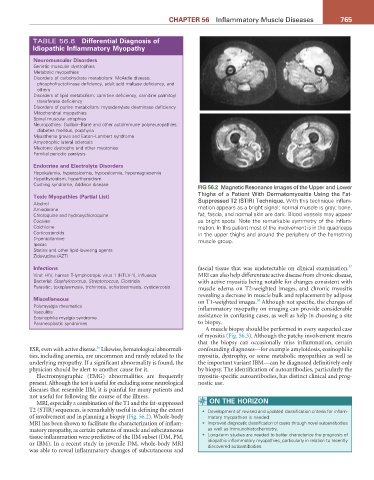
                                                                  FIG 56.2  Magnetic Resonance Images of the Upper and Lower
            toxic Myopathies (Partial List)                       Thighs of a Patient With Dermatomyositis Using the Fat-
            Alcohol                                               Suppressed T2 (STIR) Technique. With this technique inflam-
            Amiodarone                                            mation appears as a bright signal; normal muscle is gray; bone,
            Chloroquine and hydroxychloroquine                    fat, fascia, and normal skin are dark. Blood vessels may appear
            Cocaine                                               as bright spots. Note the remarkable symmetry of the inflam-
            Colchicine                                            mation. In this patient most of the involvement is in the quadriceps
            Corticosteroids                                       in the upper thighs and around the periphery of the hamstring
            D-penicillamine                                       muscle group.
            Ipecac
            Statins and other lipid-lowering agents
            Zidovudine (AZT)
                                                                                                                   37
            Infections                                            fascial tissue that was undetectable on clinical examination.
            Viral: HIV, human T-lymphotropic virus 1 (HTLV-1), influenza  MRI can also help differentiate active disease from chronic disease,
            Bacterial: Staphylococcus, Streptococcus, Clostridia  with active myositis being notable for changes consistent with
            Parasitic: toxoplasmosis, trichinosis, schistosomiasis, cysticercosis  muscle edema on T2-weighted images, and chronic myositis
                                                                  revealing a decrease in muscle bulk and replacement by adipose
            Miscellaneous                                         on T1-weighted images.  Although not specific, the changes of
                                                                                     38
            Polymyalgia rheumatica                                inflammatory myopathy on imaging can provide considerable
            Vasculitis
            Eosinophilia myalgia syndrome                         assistance in confusing cases, as well as help in choosing a site
            Paraneoplastic syndromes                              to biopsy.
                                                                    A muscle biopsy should be performed in every suspected case
                                                                  of myositis (Fig. 56.3). Although the patchy involvement means
                                                                  that the biopsy can occasionally miss inflammation, certain
                                 36
           ESR, even with active disease.  Likewise, hematological abnormali-  confounding diagnoses—for example amyloidosis, eosinophilic
           ties, including anemia, are uncommon and rarely related to the   myositis, dystrophy, or some metabolic myopathies as well as
           underlying myopathy. If a significant abnormality is found, the   the important variant IBM—can be diagnosed definitively only
           physician should be alert to another cause for it.     by biopsy. The identification of autoantibodies, particularly the
             Electromyographic  (EMG) abnormalities are  frequently   myositis-specific autoantibodies, has distinct clinical and prog-
           present. Although the test is useful for excluding some neurological   nostic use.
           diseases that resemble IIM, it is painful for many patients and
           not useful for following the course of the illness.
             MRI, especially a combination of the T1 and the fat-suppressed    ON tHE HOrIZON
           T2 (STIR) sequences, is remarkably useful in defining the extent   •  Development of revised and updated classification criteria for inflam-
           of involvement and in planning a biopsy (Fig. 56.2). Whole-body   matory myopathies is needed.
           MRI has been shown to facilitate the characterization of inflam-  •  Improved diagnostic classification of cases through novel autoantibodies
           matory myopathy, as certain patterns of muscle and subcutaneous   as well as immunohistochemistry.
           tissue inflammation were predictive of the IIM subset (DM, PM,   •  Long-term studies are needed to better characterize the prognosis of
           or IBM). In a recent study in juvenile DM, whole-body MRI   idiopathic inflammatory myopathies, particularly in relation to recently
                                                                     discovered autoantibodies.
           was able to reveal inflammatory changes of subcutaneous and

