


Page 147 - Nursing: The Philosophy and Science of Caring
P. 147
F r o m ca ra t i v e  F a c t o r  6  t o   C a r it a s   P roC e s s 6

             shared at unit meetings. Staff were also given the opportunity to com-
             municate theory-related unit endeavors at nursing quality council meet-
             ings. Both of these events reinforced education about and adoption of
             the theory.
                One other opportunity taken was to present a lecture by Jean
             Watson during Nurse’s Week 2004. Nurses from the facility as well
             as throughout the system attended. Nursing leaders from the clinical
             documentation group, which included members from all hospitals in
             the system, and selected information service professionals were also
             invited, because knowledge about the theory would assist in system
             implementation.
                                  5
                At this lecture, Watson  discussed hospitalization as an event that
             can lead to the loss of human dignity, and stated that it is the nurses’
             duty to help maintain and restore that dignity. She also described many
             of the interventions nursing staff can make use of to promote the car-
             ing environment. This lecture, along with a review of Jean Watson’s
             other works, provided the support required to build the framework that
             transformed the current documentation system from a purely technical
             basis to a system that incorporated information about caring.
                During development, the clinical documentation team recognized
             the required use of a standardized language. According to Werley et al,   6
             the Nursing Minimum Data Set (NMDS) was designed to facilitate the
             abstraction of the minimum, common core of data to describe nursing
             practice. The nursing care elements of the NMDS include: (1) nursing
             diagnosis, (2) nursing intervention, (3) nursing outcome, and (4) inten-
             sity of nursing service. It was decided that these elements would be
             considered part of the framework for development of the new caring
             documentation system.
                Review of current literature demonstrated disparity between the
             ability of the nursing standardized languages, specifically (1) NANDA,
             (2) Nursing Interventions
             Classification (NIC), and
             (3) Nursing Outcomes
             Classification (NOC), to docu-
             ment the humanistic elements


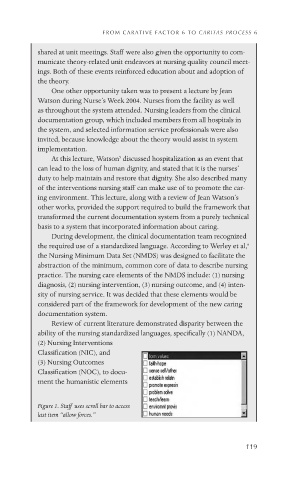
             Figure 1. Staff  uses scroll bar to access
             last item “allow forces.”


                                                                   119

