


Page 66 - Human Environment Interface (3)
P. 66
Brain Barrier Integrity and Development in the Rat

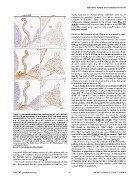
Figure 3. Immunohistochemical localisation of CA8, SLC4A1                   mostly localized in choroid plexus epithelium and not in
and CLIC3 gene products in embryonic (E15) and adult lateral                contaminating endothelia derived from plexus stroma. The
choroid plexus. Embryonic choroid plexus (A, C, E) is compared to           exception is SLC4A1, which is a well-known marker of
that of adult (B, D, F). Note the differences in patterns of                erythrocytes; staining obtained in the present study (Fig. 3C
immunoreactivity between the ages. Embryonic plexus epithelium is           and D) confirmed this. However it should also be noted that such
strongly stained for CA8 while virtually no reactivity was detected in the  a possible contamination represents only a small fraction of the
vasculature (A). Adult plexus is unstained (B). SLC4A1 immunoreactivity     total tissue isolated.
is pronounced in E15 plexus where all cell nuclei and cytoplasm in both
epithelium and endothelium are strongly positive (C), whereas the           Evidence for function of ion channels, transporters and
immunoreactivity in the adult plexus is varying but mainly nuclear in       associated enzymes in developing choroid plexus
both epi- and endothelium (D). Following staining for CLIC3 a marked
reaction is observed in the entire embryonic plexus (E) in contrast to         Consistent with low expression of Na/K-ATPase and carbonic
that in the adult where vasculature is devoid of staining and the           anhydrase 2 protein in E15 choroid plexus, studies using western
cytoplasm of scattered choroid plexus epithelial cells is strongly          blotting and immunohistochemistry have reported levels of both
immunoreactive (F). Scale bars: 100 mm for all. Abbreviation: CSF,          are very low in the E15 rat choroid plexus [79]. Though there is
cerebrospinal fluid.                                                        little evidence on the function of Na/K-ATPase and carbonic
doi:10.1371/journal.pone.0065629.g003                                       anhydrase in the developing choroid plexus, it has been shown
                                                                            that activity of Na/K-ATPase in fetal/newborn rabbits is low
very visible difference between sections of adult plexuses, with no         compared to adults, but was sufficient to establish a gradient for
staining at all for CA8, to stained epithelial and endothelial nuclei       Na+ between CSF and plasma [80]. The low expression of Atp1b1
for SLC4A1 and to cytoplasmic staining of single scattered                  and other Na/K-ATPases as well as Car2 in E15 rat choroid
epithelial cells in case of CLIC3 (Fig. 3).                                 plexus is consistent with a low CSF secretion rate in rat [76,77]
                                                                            and other species [81] early in brain development. The higher
   The results obtained from the immunohistochemical analysis               expression of several carbonic anhydrases, particularly Car8 (77-
also demonstrated that the genes identified in RNA-Seq were                 fold) in E15 choroid plexus compared to the adult is surprising; if
                                                                            functional, it may be important for some biological activity other
                                                                            than the low level of CSF secretion, related for example to the
                                                                            higher level of CO2 in the fetus [81]. According to Picaud and
                                                                            colleagues however, it lacks the characteristic activity that would
                                                                            be predicted from its structure [73].

                                                                               Data in Table 6 show the distribution of ions between CSF and
                                                                            plasma in both the young and adults of a range of species: rat
                                                                            (newborn [82], adult [82,83]) ; monkeys [63]; rabbits [82]; and
                                                                            sheep [64]. The choroid plexus epithelium mediates net secretion
                                                                            of Na+, Cl2 and HCO32 ions, as well as H2O into the CSF. The
                                                                            presence of ionic gradients between CSF and blood plasma
                                                                            indicates that intercellular tight junctions are functionally effective
                                                                            and the presence of an effective pump for the ions for which there
                                                                            are gradients. These data show that ion gradients between CSF
                                                                            and plasma are established early in brain development, but they
                                                                            change during development, presumably in relation to specific
                                                                            features of brain development. Though there is little information
                                                                            on the movement of Ca2+ and Mg2+ ions across the choroid
                                                                            plexus, many transient receptor potential vanilloid (TRPV)
                                                                            channels were detected (see Table S1 and S2). These channels
                                                                            are known to be selective for Ca2+ and Mg2+ over Na+ ions. We
                                                                            report the presence of Trpv transcripts at E15 and in the adult will
                                                                            little change in expression (e.g. Trpv1, Trpv3) – as reported
                                                                            immunohistochemically in the developing rat by Jo and colleagues
                                                                            [84]. Trpv4 was highly expressed (raw count 3020) and enriched
                                                                            over 9-fold in the adult (Table 4 and S2), in contrast, Trpv2 and
                                                                            Trvp6 were enriched in the embryo, but expression was also
                                                                            comparatively low (raw counts below 100, see Table S1).

                                                                               The presence of an ion gradient indicates that the intercellular
                                                                            pathway between adjacent choroid plexus epithelial cells is closed
                                                                            to significant ion transfer (i.e. the tight junctions are functionally
                                                                            effective) and the relevant ion pumps and channels are active.
                                                                            Thus there is physiological evidence that ion pumps are active
                                                                            early in brain development, but the function of individual ion
                                                                            transporters and channels in developing choroid plexus remains to
                                                                            be investigated as has been done in adult plexus [67,72].
                                                                            Preliminary studies have shown that this is technically feasible at
                                                                            least as early as newborn rat using standard patch clamping
                                                                            methods (NRS, unpublished).

PLOS ONE | www.plosone.org                                                  13 July 2013 | Volume 8 | Issue 7 | e65629

