


Page 61 - Human Environment Interface (3)
P. 61
Brain Barrier Integrity and Development in the Rat

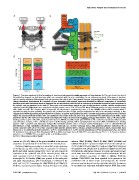
Figure 1. Proteins involved in the formation of junctions between intimately apposed cell membranes. A: The main barrier function of
the epithelium depends on tight junctions, which are connected with the actin cytoskeleton (as are adherens junctions). Other types of junctions
such as macular adherens (desmosomes) and gap junctions also play a role. There general structure and permeability of these junctions does not
change throughout development. B: Proportion of gene transcripts with enriched expression identified for different components of intercellular
junctions (genes with unchanged levels of expression are not represented). Note the lack of enrichment of transcripts involved in apical complexes in
the embryo, and gap junctions in the adult. C: Three types of transmembrane protein are part of tight junctions: occludin, claudins and junctional
adhesion molecules (JAMs) which are connected to adaptor proteins such as ZO1, ZO2 and ZO3. Many additional proteins are also essential, including
PAR3, PAR6 and aPKC. This complex, which is important for cell polarity, is regulated by Cdc42, as is the CRUMBS3–PALS1–PATJ-complex, which is
essential for tight junction assembly. The precise role of RhoA and Rac in tight junction regulation has still to be elucidated. Recently, it was
suggested that RhoA-dependent phosphorylation of occludin is crucial for tight junction function. From RNA sequencing experiments we found that
targets for several junctional proteins were up-regulated in the embryo (red text), some were up-regulated in the adult (green text), while a large
proportion did not alter expression levels (black text). Expression values are presented in Tables 2 and S2. Abbreviations: Apg-2, ATP and peptide-
binding protein in germ cells; aPKC, atypical protein kinase C; ARVCF, armadillo repeat gene deleted in velo-cardio-facial syndrome; CAR, Coxsackie
and adenovirus receptor; Cdc42, cell division cycle 42 (GTP binding protein); CDK-4, cyclindependent kinase-4; C/EBP, CCAAT/enhancer binding
protein; CLMP, Coxsackie- and adenovirus receptor-like membrane protein; CRB-2,-3, human crumbs homologue-2,-3; DEP-1, density-enhanced
phosphatase-1; ESAM, endothelial cell-selective adhesion molecule; GEF, GDP/GTP-exchange factor; JAM, junctional adhesion molecules; PALS1,
protein associated with Lin-7; PATJ, Pals1 associated tight junction protein; MAP-K, mitogen-activated protein kinases; MLCK, myosin light chain
kinase; Par-3, -6 partitioning defective protein-3, -6; PK-A, -G protein kinase-A, -G; PP1, protein phosphatase1; PP2A, phosphatase2A; Rac, ras-related
C3 botulinum toxin substrate; Rho, Rhodopsin; SAF-B, scaffold attachment factor-B; ZAK, ZO-1 associated kinase; ZO-1, -2, -3, Zonula occludens
protein-1, -2, -3; ZONAB, ZO-1-associated nucleic acid binding protein.
doi:10.1371/journal.pone.0065629.g001

reviews see [41–43]. Many of the genes identified in the present      whereas Cldn2 (19-fold), Cldn19 (11-fold) Cldn22 (6.8-fold) and
study have not previously been described in the choroid plexus.       Cldn9 (2.3-fold) were expressed at higher levels in the adult plexus.
                                                                      At E19, Cldn2 (19-fold), Cldn19 (11-fold) and Cldn22 (6.8-fold) level
   Occludin (Ocln) has previously been identified in tight junctions  of expression were already close to adult level. Cldn23 was enriched
of developing rat, with similar levels of expression in embryonic     4.3-fold in the adult plexus, however its actual expression level was
(E19) and adult choroid plexus [14]. Here we also report its          much lower than the other reported enriched transcripts. We did
expression in the epithelial cells of the choroid plexus, with an     not see definitive expression of Cldn3 or Cldn5by RNA-Seq
adult expression level of 3.4-fold higher than at E15. In total,      analysis. CLAUDIN-5 has been reported to be present in the
transcripts for 16 claudins (Cldn) were present in the embryonic      endothelial cells of blood vessels penetrating into the choroid
and adult choroid plexus, with 9 unchanged, 5 enriched in the         plexus stroma but absent from the epithelial cells [14]. Its absence
adult and 2 at E15. Transcripts for Cldn8 (30-fold) and Cldn6 (14-    in our study is an important indication that the RNA-Seq screen
fold) were expressed at much higher levels at E15 than in the adult,

PLOS ONE | www.plosone.org                                            8 July 2013 | Volume 8 | Issue 7 | e65629

