


Page 28 - Human Environment Interface (4)
P. 28
Surface Chemistry Directs Protein Remodeling

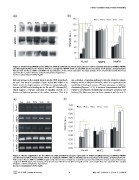
Figure 6. Matrix degradation on the different SAMs quantified by protein expression of matrix metalloproteinases (MMP2, MMP9)
and the transcription factor Runx2, which is a target for MMP9. SAMs are identified by the percentage of OH groups. a) Representative
Western blot for Runx2, MMP2 and MMP9. b) Quantification of the protein expression by image analysis of the western blot bands. Error bars
represent the standard deviation of three independent experiments.
doi:10.1371/journal.pone.0019610.g006

hydroxyl groups on the sample leads to similar FAK levels (both     say, activation of signaling pathways is directly related to integrin
for gene and protein expression, Figure 4) but with higher and      binding and focal adhesion formation, which are regulated by the
higher levels of phosphorylation of Y-397, the autophosphoryla-     availability of binding domains in FN upon adsorption on different
tion site in FAK and a binding site for Src and PI-3 kinases [47],  chemistries (Figures 1, 2, 3). It has been demonstrated that FAK
which suggests a stepwise activation of signaling cascades as a     regulates cell adhesion strengthening via integrin activation and
function of hydroxyl groups on the surface increases. That is to    binding [48]. Moreover, our results are consistent with the role Y-

Figure 7. Matrix degradation on the different SAMs quantified by gene expression of matrix metalloproteinases (MMP2, MMP9)
and the transcription factor Runx2, which is a target for MMP9. SAMs are identified by the percentage of OH groups. a) Representative RT-
PCR bands for Runx2, MMP2 and MMP9; Gapdh and b-actin have been included as constitutive genes. b) Quantification of gene expression by image
analysis of RT-PCR bands. The intensity of each band was referred to the level of Gapdh on the same sample. Error bars represent the standard
deviation of three independent experiments.
doi:10.1371/journal.pone.0019610.g007

PLoS ONE | www.plosone.org                                          6 May 2011 | Volume 6 | Issue 5 | e19610

