


Page 185 - Towards Trustworthy Elections New Directions in Electronic Voting by Ed Gerck (auth.), David Chaum, Markus Jakobsson, Ronald L. Rivest, Peter Y. A. Ryan, Josh Benaloh, Miroslaw Kutylowski, Ben Adida ( (z-lib.org (1)
P. 185
177
                                                              On Optical Mark-Sense Scanning


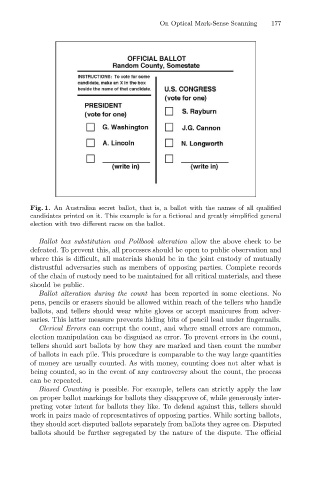
                          Fig. 1. An Australian secret ballot, that is, a ballot with the names of all qualified
                          candidates printed on it. This example is for a fictional and greatly simplified general
                          election with two different races on the ballot.

                            Ballot box substitution and Pollbook alteration allow the above check to be
                          defeated. To prevent this, all processes should be open to public observation and
                          where this is difficult, all materials should be in the joint custody of mutually
                          distrustful adversaries such as members of opposing parties. Complete records
                          of the chain of custody need to be maintained for all critical materials, and these
                          should be public.
                            Ballot alteration during the count has been reported in some elections. No
                          pens, pencils or erasers should be allowed within reach of the tellers who handle
                          ballots, and tellers should wear white gloves or accept manicures from adver-
                          saries. This latter measure prevents hiding bits of pencil lead under fingernails.
                            Clerical Errors can corrupt the count, and where small errors are common,
                          election manipulation can be disguised as error. To prevent errors in the count,
                          tellers should sort ballots by how they are marked and then count the number
                          of ballots in each pile. This procedure is comparable to the way large quantities
                          of money are usually counted. As with money, counting does not alter what is
                          being counted, so in the event of any controversy about the count, the process
                          can be repeated.
                            Biased Counting is possible. For example, tellers can strictly apply the law
                          on proper ballot markings for ballots they disapprove of, while generously inter-
                          preting voter intent for ballots they like. To defend against this, tellers should
                          work in pairs made of representatives of opposing parties. While sorting ballots,
                          they should sort disputed ballots separately from ballots they agree on. Disputed
                          ballots should be further segregated by the nature of the dispute. The official

