


Page 238 - Hall et al (2015) Principles of Critical Care-McGraw-Hill
P. 238
142     PART 2: General Management of the Patient


                 stress hyperglycemia and poor outcome is largely established. This asso-  TOXICITY ASSOCIATED WITH HIGH
                 ciation reflects the validity of blood glucose concentration as a marker   GLUCOSE CONCENTRATIONS
                 of illness severity. However, the correction of a moderate stress hypergly-
                 cemia may improve the prognosis. Indeed, in 2001, a large randomized   Because glucose is the preferential substrate during critically ill condi-
                 controlled trial in critically ill surgical patients demonstrated that tight   tions, stress hyperglycemia was considered for a long time as a ben-
                 glucose control (TGC) (defined as the restoration and maintenance of   eficial response allowing an adequate provision of energy to tissues.
                 blood glucose between 80 and 110 mg/dL) by intensive insulin therapy   However, in stress conditions, an overall massive glucose overload
                 (IIT) was associated with a decreased mortality and rate of complica-  happens  in  NIMGU  tissues  under  the  influence  of  proinflammatory
                 tions.  However, subsequent studies performed in other intensive care   mediators, counterregulatory hormones, and hypoxia. A wide range of
                     2
                 units (ICU)  failed to reproduce the beneficial effects of IIT titrated to   tissues, including hepatocytes, endothelial cells, neurons, nephrons, and
                          3-8
                 achieve TGC.                                          immune cells may be susceptible to enhanced glucose toxicity as a result
                   These conflicting results raise the clinically relevant question: How   of acute illness. In these tissues, several deleterious effects have been
                 to control glycemia in ICUs? This chapter intends to summarize the   associated with these high glucose concentrations in cells.  Damages
                                                                                                                  1,9
                 current understanding of the physiological regulation of glycemia,     to mitochondrial proteins occur and the formation of reactive oxygen
                 the toxicity of hyperglycemia, the mechanisms and consequences of   species (ROS) is increased as a consequence of the shift from glycolysis
                 stress hyperglycemia, and the available clinical data from observational   toward accessory metabolic pathways (pentose phosphate, hexosamines,
                 and interventional studies and to discuss the unsolved issues and the   polyols).  Other effects of excess glucose concentrations include the
                                                                             10
                 implications for the daily clinical practice. Updated formal recom-  exacerbation of inflammatory pathways, decreased complement activity,
                 mendations will be suggested for glucose control in critically ill and   modifications in the innate immune system, impairment in endothelial
                 postoperative patients.                               and hepatic mitochondrial functions, abolishment of the ischemic pre-
                                                                       conditioning, and protein glycosylation. Acute complications attributed
                 PHYSIOLOGICAL REGULATION OF BLOOD GLUCOSE             to stress hyperglycemia include renal failure, increased susceptibility to
                                                                       infections, polyneuropathy, and impaired microcirculation. 1
                 Blood glucose concentration (BG) is tightly regulated by two types of
                 mechanisms : 1                                        MECHANISMS OF STRESS HYPERGLYCEMIA
                    • The hormonal system consists in a balance between insulin, which
                   will induce the entrance and utilization of glucose into tissues, and   Although sharing some similarities, the pathogenetic mechanisms of
                   the so-called “hyperglycemic” counterregulatory hormones (gluca-  type  2 diabetes and  stress hyperglycemia are different.  In  diabetes,
                   gon, epinephrine, cortisol).                        the cause of hyperglycemia is a combination of insulin resistance and
                    • The neural mechanism consists in an activation of messages issued   defective secretion of insulin by pancreatic β-cells. During stress hyper-
                                                                       glycemia, complex interactions between counterregulatory hormones
                   from glucose sensors of various organs.             (catecholamines, growth hormone, and cortisol) and cytokines lead to
                   These hormonal and neural signals modulate carbohydrate metabo-  an excessive hepatic glucose production and peripheral insulin resistance
                 lism by controlling glucose fluxes, including endogenous production   (Fig. 21-2). This highly complex interplay is largely variable over time. 1,11
                 and the entrance of glucose into the cells. The translocation of glucose   The stress-related increase in hepatic output of glucose results from glu-
                 transporters (GLUT) is the prominent mechanism for the modulation of   coneogenesis and to a lesser extent from glycogenolysis. Gluconeogenesis
                 glucose transport across the cell membranes.  Among those transporters,   is triggered to a larger extent by glucagon than by epinephrine and cortisol.
                                                 9
                 GLUT-1 is the predominant transporter for noninsulin-mediated glucose   Glycogenolysis is primarily triggered by catecholamines and perpe tuated
                 uptake  (NIMGU) (Fig. 21-1).   GLUT-2 regulates the  flow of   glucose   under the influence of epinephrine and cortisol. Tumor necrosis factor-α
                                       32
                 across liver cell membranes. GLUT-4 is the main insulin-responsive     (TNFα) might promote gluconeogenesis by stimulating glucagon
                 glucose transporter and therefore modulates the insulin-mediated glucose   production. The increase in peripheral resistance is characterized by the
                 uptake (IMGU) in adipose tissue, cardiac and skeletal muscles.  inability of skeletal muscles and adipocytes to take up glucose, related to


                                Study name             Statistics for each study     Odds ratio and 95% CI
                                                 Odds   Lower  Upper
                                                 ratio  limit  limit  z Value p Value
                                Van den Berghe, 2001  1.572  1.102  2.242  2.498  0.012
                                Van den Berghe, 2006  1.057  0.826  1.353  0.441  0.659
                                Glucotrol, 2006  0.788  0.573  1.085  –1.460  0.144
                                VISEP, 2008      1.064  0.720  1.572  0.310  0.757
                                De La Rosa, 2008  0.830  0.574  1.199  –0.994  0.320
                                Arabi, 2008      0.781  0.484  1.262  –1.009  0.313
                                NICE-SUGAR 2009  0.918  0.812  1.038  –1.361  0.173
                                                 0.954  0.871  1.046  –0.995  0.320
                                                                                0.5         1           2
                                                                                   Favors Control  Favors IIT


                                Meta-analysis
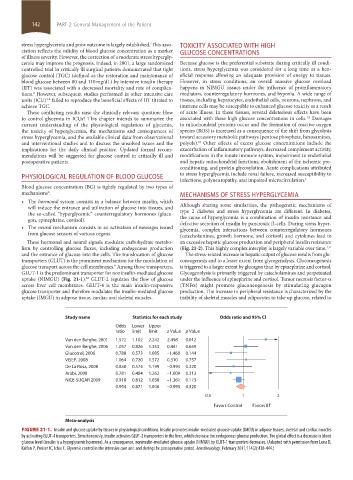
                 FIGURE 21-1.  Insulin and glucose uptake by tissues in physiological conditions. Insulin promotes insulin-mediated glucose uptake (IMGU) in adipose tissues, skeletal and cardiac muscles
                 by activating GLUT-4 transporters. Simultaneously, insulin activates GLUT-2 transporters in the liver, which decrease the endogenous glucose production. The global effect is a decrease in blood
                 glucose level (insulin is a hypoglycemic hormone). As a consequence, noninsulin-mediated glucose uptake (NIMGU) by GLUT-1 transporters decreases. (Adapted with permission from Lena D,
                 Kalfon P, Preiser JC, Ichai C. Glycemic control in the intensive care unit and during the postoperative period. Anesthesiology. February 2011;114(2):438-444.)


            section02.indd   142                                                                                       1/13/2015   2:04:59 PM

