


Page 580 - Cardiac Nursing
P. 580
LWBK340-c24_p555-594.qxd  30/06/2009  01:43 PM  Page 556 Aptara


                  556    PA R T  IV / Pathophysiology and Management of Heart Disease


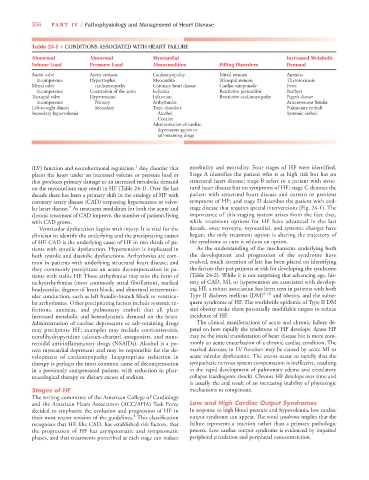
                  Table 24-1 ■ CONDITIONS ASSOCIATED WITH HEART FAILURE
                  Abnormal           Abnormal             Myocardial                                  Increased Metabolic
                  Volume Load        Pressure Load        Abnormalities         Filling Disorders     Demand
                  Aortic valve       Aortic stenosis      Cardiomyopathy        Mitral stenosis       Anemias
                    incompetence     Hypertrophic         Myocarditis           Tricuspid stenosis    Thyrotoxicosis
                  Mitral valve         cardiomyopathy     Coronary heart disease  Cardiac tamponade   Fever
                    incompetence     Coarctation of the aorta  Ischemia         Restrictive pericarditis  Beriberi
                  Tricuspid valve    Hypertension         Infarction            Restrictive cardiomyopathy  Paget’s disease
                    incompetence       Primary            Arrhythmias                                 Arteriovenous fistulas
                  Left-to-right shunts  Secondary         Toxic disorders                             Pulmonary emboli
                  Secondary hypervolemia                    Alcohol                                   Systemic emboli
                                                            Cocaine
                                                          Administration of cardiac
                                                            depressants agents or
                                                            salt-retaining drugs


                                                    1
                  (LV) function and neurohormonal regulation. Any disorder that  morbidity and mortality. Four stages of HF were identified.
                  places the heart under an increased volume or pressure load or  Stage A identifies the patient who is at high risk but has no
                  that produces primary damage or an increased metabolic demand  structural heart disease; stage B refers to a patient with struc-
                  on the myocardium may result in HF (Table 24-1). Over the last  tural heart disease but no symptoms of HF; stage C denotes the
                  decade there has been a primary shift in the etiology of HF with  patient with structural heart disease and current or previous
                  coronary artery disease (CAD) surpassing hypertension or valvu-  symptoms of HF; and stage D describes the patient with end-
                              5
                  lar heart disease. As treatment modalities for both the acute and  stage disease that requires special interventions (Fig. 24-1). The
                  chronic treatment of CAD improve, the number of patients living  importance of this staging system arises from the fact that,
                  with CAD grows.                                     while treatment options  for HF  have advanced in the  last
                     Ventricular dysfunction begins with injury. It is vital for the  decade, once myocyte, myocardial, and systemic changes have
                  clinician to identify the underlying and the precipitating causes  begun, the only treatment option is altering the trajectory of
                  of HF. CAD is the underlying cause of HF in two thirds of pa-  the syndrome as cure is seldom an option.
                  tients with systolic dysfunction. Hypertension is implicated in  As the understanding of the mechanisms underlying both
                  both systolic and diastolic dysfunctions. Arrhythmias are com-  the  development and progression of the syndrome  have
                  mon in patients with underlying structural heart disease; and  evolved, much attention of late has been placed on identifying
                  they commonly precipitate an acute decompensation in pa-  the factors that put patients at risk for developing the syndrome
                  tients with stable HF. These arrhythmias may take the form of  (Table 24-2). While it is not surprising that advancing age, his-
                  tachyarrhythmias (most commonly atrial fibrillation), marked  tory of CAD, MI, or hypertension are associated with develop-
                  bradycardia, degrees of heart block, and abnormal intraventric-  ing HF, a robust association has been seen in patients with both
                  ular conduction, such as left bundle-branch block or ventricu-  Type II diabetes mellitus (DM) 9,10  and obesity, and the subse-
                  lar arrhythmias. Other precipitating factors include systemic in-  quent syndrome of HF. The worldwide epidemic of Type II DM
                  fections, anemias, and pulmonary emboli that all place  and obesity make them potentially modifiable targets to reduce
                  increased metabolic and hemodynamic demand on the heart.  incidence of HF.
                  Administration of cardiac depressants or salt-retaining drugs  The clinical manifestations of acute and chronic failure de-
                  may precipitate HF; examples may include corticosteroids,  pend on how rapidly the syndrome of HF develops. Acute HF
                  nondihydropyridine calcium-channel antagonists, and nons-  may be the initial manifestation of heart disease but is more com-
                  teroidal anti-inflammatory drugs (NSAIDs). Alcohol is a po-  monly an acute exacerbation of a chronic cardiac condition. The
                  tent myocardial depressant and may be responsible for the de-  marked decrease in LV function may be caused by acute MI or
                  velopment of cardiomyopathy. Inappropriate reduction in  acute valvular dysfunction. The events occur so rapidly that the
                  therapy is perhaps the most common cause of decompensation  sympathetic nervous system compensation is ineffective, resulting
                  in a previously compensated patient, with reduction in phar-  in the rapid development of pulmonary edema and circulatory
                  macological therapy or dietary excess of sodium.    collapse (cardiogenic shock). Chronic HF develops over time and
                                                                      is usually the end result of an increasing inability of physiologic
                  Stages of HF                                        mechanisms to compensate.
                  The writing committee of the American College of Cardiology
                  and the American Heart Association (ACC/AHA) Task Force  Low and High Cardiac Output Syndromes
                  decided to emphasize the evolution and progression of HF in  In response to high blood pressure and hypovolemia, low cardiac
                                                    1
                  their most recent revision of the guidelines. This classification  output syndrome can appear. The word syndrome implies that the
                  recognizes that HF, like CAD, has established risk factors, that  failure represents a reaction rather than a primary pathologic
                  the progression of HF  has asymptomatic and symptomatic  process. Low cardiac output syndrome is evidenced by impaired
                  phases, and that treatments prescribed at each stage can reduce  peripheral circulation and peripheral vasoconstriction.

