


Page 150 - untitled
P. 150
AAAC67  21/5/05  11:01 AM  Page 149
                                                                                  Masseter
                       Facial nerve
                                                                                  Parotid duct
                       Parotid
                                                                                  Mandible
                       Sternocleidomastoid
                                                                                  Medial pterygoid
                       Mastoid process
                                                                                  Retromandibular vein
                       Posterior belly of digastric
                                                                                  Maxillary artery
                       Carotid sheath
                                                                                  Wall of pharynx
                                                                                  External carotid artery
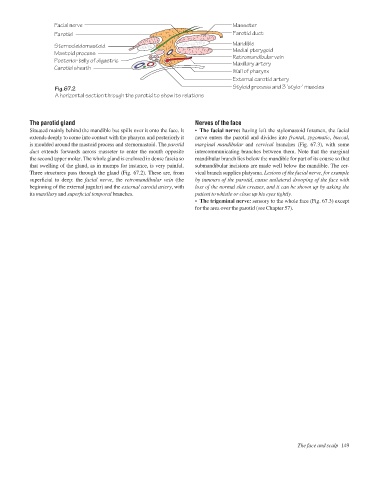
                        Fig.67.2                                                  Styloid process and 3 'stylo-' muscles
                        A horizontal section through the parotid to show its relations
               The parotid gland                                     Nerves of the face
               Situated mainly behind the mandible but spills over it onto the face. It  • The facial nerve: having left the stylomastoid foramen, the facial
               extends deeply to come into contact with the pharynx and posteriorly it  nerve enters the parotid and divides into frontal, zygomatic, buccal,
               is moulded around the mastoid process and sternomastoid. The parotid  marginal mandibular and  cervical branches (Fig. 67.3), with some
               duct extends forwards across masseter to enter the mouth opposite   intercommunicating branches between them. Note that the marginal
               the second upper molar. The whole gland is enclosed in dense fascia so  mandibular branch lies below the mandible for part of its course so that
               that swelling of the gland, as in mumps for instance, is very painful.  submandibular incisions are made well below the mandible. The cer-
               Three structures pass through the gland (Fig. 67.2). These are, from  vical branch supplies platysma. Lesions of the facial nerve, for example
               superficial to deep: the  facial nerve, the  retromandibular vein (the  by tumours of the parotid, cause unilateral drooping of the face with
               beginning of the external jugular) and the external carotid artery, with  loss of the normal skin creases, and it can be shown up by asking the
               its maxillary and superficial temporal branches.       patient to whistle or close up his eyes tightly.
                                                                     • The trigeminal nerve: sensory to the whole face (Fig. 67.3) except
                                                                     for the area over the parotid (see Chapter 57).


                                                                                                       The face and scalp 149

