


Page 472 - ACCCN's Critical Care Nursing
P. 472
Neurological Alterations and Management  449


                   Intracranial pressure (mmHg)  50                    Cerebral blood flow (mL/min)  100  (partial pressure of
                     60
                                                                                                        PaCO 2
                     40
                                                                                                  carbon dioxide)
                     30
                                                                         50
                     20
                     10
                     0
                                    Volume (mL)                           0  0       5       10       15
                                                                                         PaCO (kPa)
                     Relationship between ICP and intracranial volume                         2
                                                                              Relationship between CBF and PaCO 2


                  Cerebral blood flow (CBF)  mL/min                    Cerebral blood flow (mL/min)  100  (partial pressure 2


                                                                                                         PaO
                      50
                                                                         50
                                                                                                     of oxygen)


                             50 mmHg                  150 mmHg            0  0      5        10      15
                                Mean arterial pressure (MAP)                             PaO (kPa)
                                                                                             2
                           Relationship between CBF and MAP                   Relationship between CBF and PaO 2
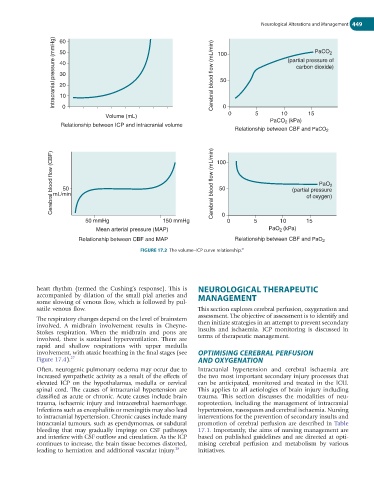
                                               FIGURE 17.2  The volume–ICP curve relationship.
                                                                                21


             heart  rhythm  (termed  the  Cushing’s  response).  This  is   NEUROLOGICAL THERAPEUTIC
             accompanied  by  dilation  of  the  small  pial  arteries  and   MANAGEMENT
             some slowing of venous flow, which is followed by pul-
             satile venous flow.                                  This section explores cerebral perfusion, oxygenation and
                                                                  assessment. The objective of assessment is to identify and
             The respiratory changes depend on the level of brainstem
             involved.  A  midbrain  involvement  results  in  Cheyne-  then initiate strategies in an attempt to prevent secondary
             Stokes  respiration.  When  the  midbrain  and  pons  are   insults  and  ischaemia.  ICP  monitoring  is  discussed  in
             involved,  there  is  sustained  hyperventilation.  There  are   terms of therapeutic management.
             rapid  and  shallow  respirations  with  upper  medulla
             involvement, with ataxic breathing in the final stages (see   OPTIMISING CEREBRAL PERFUSION
             Figure 17.4). 27                                     AND OXYGENATION

             Often, neurogenic pulmonary oedema may occur due to   Intracranial  hypertension  and  cerebral  ischaemia  are
             increased sympathetic activity as a result of the effects of   the two most important secondary injury processes that
             elevated  ICP  on  the  hypothalamus,  medulla  or  cervical   can  be  anticipated,  monitored  and  treated  in  the  ICU.
             spinal  cord.  The  causes  of  intracranial  hypertension  are   This applies to all aetiologies of brain injury including
             classified as acute or chronic. Acute causes include brain   trauma.  This  section  discusses  the  modalities  of  neu-
             trauma, ischaemic injury and intracerebral haemorrhage.   roprotection, including the management of intracranial
             Infections such as encephalitis or meningitis may also lead   hypertension, vasospasm and cerebral ischaemia. Nursing
             to intracranial hypertension. Chronic causes include many   interventions for the prevention of secondary insults and
             intracranial tumours, such as ependymomas, or subdural   promotion of cerebral perfusion are described in Table
             bleeding  that  may  gradually  impinge  on  CSF  pathways   17.1. Imp ortantly, the aims of nursing management are
             and interfere with CSF outflow and circulation. As the ICP   based on published guidelines and are directed at opti-
             continues to increase, the brain tissue becomes distorted,   mising  cer ebral  perfusion  and  metabolism  by  various
             leading to herniation and additional vascular injury. 28  initiatives.

