


Page 281 - Concise Pathology for Exam Preparation ( PDFDrive )
P. 281
266    SECTION II  Diseases of Organ Systems


                                                                          Ventricular
                                                                          septal defect
                                  Right ventricle
                                                                          Left ventricle


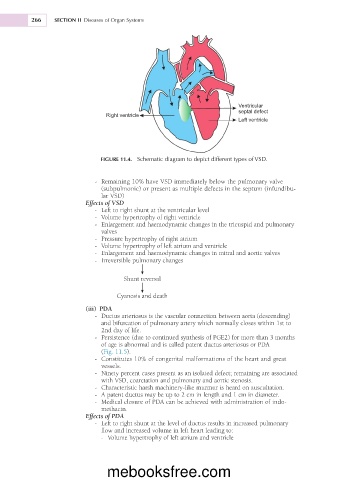
                                FIGURE 11.4.  Schematic diagram to depict different types of VSD.


                              -  Remaining 10% have VSD immediately below the pulmonary valve
                                (subpulmonic) or present as multiple defects in the septum (infundibu-
                                lar VSD)
                           Effects of VSD
                              -  Left to right shunt at the ventricular level
                              -  Volume hypertrophy of right ventricle
                              -  Enlargement and haemodynamic changes in the tricuspid and pulmonary
                                valves
                              -  Pressure hypertrophy of right atrium
                              -  Volume hypertrophy of left atrium and ventricle
                              -  Enlargement and haemodynamic changes in mitral and aortic valves
                              -  Irreversible pulmonary changes


                                       Shunt reversal

                                     Cyanosis and death

                     	     (iii)	 PDA
                              -  Ductus arteriosus is the vascular connection between aorta (descending)
                                and bifurcation of pulmonary artery which normally closes within 1st to
                                2nd day of life.
                              -  Persistence (due to continued synthesis of PGE2) for more than 3 months
                                of age is abnormal and is called patent ductus arteriosus or PDA
                                (Fig. 11.5).
                              -  Constitutes 10% of congenital malformations of the heart and great
                                vessels.
                              -  Ninety percent cases present as an isolated defect; remaining are associated
                                with VSD, coarctation and pulmonary and aortic stenosis.
                              -  Characteristic harsh machinery-like murmur is heard on auscultation.
                              -  A patent ductus may be up to 2 cm in length and 1 cm in diameter.
                              -  Medical closure of PDA can be achieved with administration of indo-
                                methacin.
                           Effects of PDA
                              -  Left to right shunt at the level of ductus results in increased pulmonary
                                flow and increased volume in left heart leading to:
                                -  Volume hypertrophy of left atrium and ventricle


                                  mebooksfree.com

