


Page 282 - Concise Pathology for Exam Preparation ( PDFDrive )
P. 282
11  Disorders of the Heart  267


                                       Aorta
                                                            Ductus arteriosus

                                          PT      LA
                         LA                     (dilated)   LA= Left atrium
                       (dilated)                            RA= Right atrium
                                                            LV = Left ventricle
                                RA
                                                            RV= Right ventricle

                                                   LV
                                       RV        (dilated)


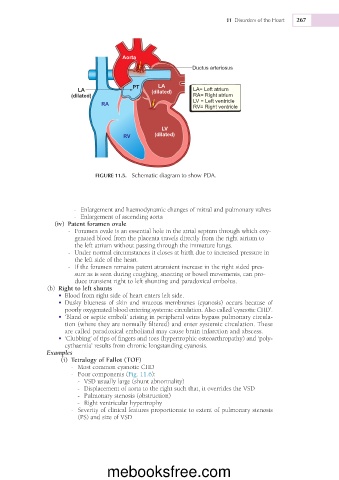
                              FIGURE 11.5.  Schematic diagram to show PDA.


                        -  Enlargement and haemodynamic changes of mitral and pulmonary valves
                        -  Enlargement of ascending aorta
                 	(iv)	 Patent	foramen	ovale
                      -  Foramen ovale is an essential hole in the atrial septum through which oxy-
                        genated blood from the placenta travels directly from the right atrium to
                        the left atrium without passing through the immature lungs.
                      -  Under normal circumstances it closes at birth due to increased pressure in
                        the left side of the heart.
                      -  If the foramen remains patent atransient increase in the right sided pres-
                        sure as is seen during coughing, sneezing or bowel movements, can pro-
                        duce transient right to left shunting and paradoxical embolus.
                 (b)  Right	to	left	shunts
                   •	 Blood from right side of heart enters left side.
                   •	 Dusky  blueness  of  skin  and  mucous  membranes  (cyanosis)  occurs  because  of
                     poorly oxygenated blood entering systemic circulation. Also called ‘cyanotic CHD’.
                   •	 ‘Bland or septic emboli’ arising in peripheral veins bypass pulmonary circula-
                     tion (where they are normally filtered) and enter systemic circulation. These
                     are called paradoxical emboliand may cause brain infarction and abscess.
                   •	 ‘Clubbing’ of tips of fingers and toes (hypertrophic osteoarthropathy) and ‘poly-
                     cythaemia’ results from chronic longstanding cyanosis.
               Examples
                   	(i)	 Tetralogy	of	Fallot	(TOF)
                       -	 Most common cyanotic CHD
                       -	 Four components (Fig. 11.6):
                         -  VSD usually large (shunt abnormality)
                         -  Displacement of aorta to the right such that, it overrides the VSD
                         -  Pulmonary stenosis (obstruction)
                         -  Right ventricular hypertrophy
                       -	 Severity of clinical features proportionate to extent of pulmonary stenosis
                         (PS) and size of VSD


                                  mebooksfree.com

