


Page 1629 - Hematology_ Basic Principles and Practice ( PDFDrive )
P. 1629
1450   Part VIII  Comprehensive Care of Patients with Hematologic Malignancies

        Hemoglobin Gene Variants                                      100

        Patients  with  chronic  hemolytic  states  may  develop  bilirubin          PMN <100/mm 3
        gallstones, which can serve as a nidus for infection. Defects in cell-  80
        mediated immunity have been described in patients with thalassemia.
        Patients  with  sickle  cell  disease  have  an  increased  susceptibility  to          PMN <1000/mm 3
                       7
        bacterial  infections.   Defective  alternative  complement  pathway   60
        function,  especially  in  conjunction  with  asplenia,  contributes  to   Percent of patients with  serious infection
        the  propensity  to  bacterial  infection.  Splenic  involution  results  in   40
        depressed  synthesis  of  alternate  pathway  factor(s)  of  complement
        and  decreased  phagocytic  clearance  of  bacteria.  Phagocytosis  of
        Streptococcus pneumoniae is abnormal, in part because of an inability   20
        to use the alternate pathway for C3 fixation as a means of opsoniza-
        tion. An increased risk for Salmonella infection appears to be unique
        to  the  sickle  cell  population.  Suppurative  arthritis  can  occur  after   0
        repeated  episodes  of  hemarthrosis  among  patients  with  sickle  cell    0  2  4  6  8  10  12  14
        disease.
                                                                                         Weeks
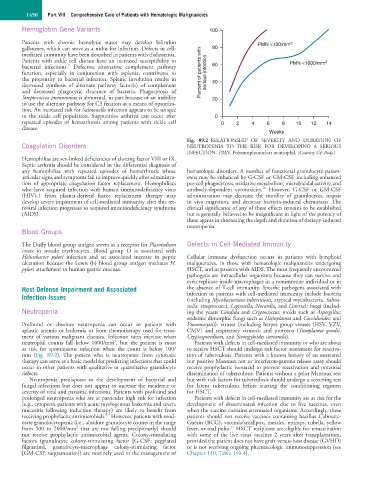
                                                              Fig.  89.2  RELATIONSHIP  OF  SEVERITY  AND  DURATION  OF
        Coagulation Disorders                                 NEUTROPENIA  TO  THE  RISK  FOR  DEVELOPING  A  SERIOUS
                                                              INFECTION. PMN, Polymorphonuclear neutrophil. (Courtesy GE Body.)
        Hemophilias are sex-linked deficiencies of clotting factor VIII or IX.
        Septic arthritis should be considered in the differential diagnosis of
        any  hemophiliac  with  repeated  episodes  of  hemarthrosis  whose   hematologic disorders. A number of functional granulocyte param-
        articular signs and symptoms fail to improve quickly after administra-  eters may be enhanced by G-CSF or GM-CSF, including enhanced
        tion  of  appropriate  coagulation  factor  replacement.  Hemophiliacs   per-cell phagocytosis, oxidative metabolism, microbicidal activity, and
                                                                                       10
        who  have  acquired  infection  with  human  immunodeficiency  virus   antibody-dependent  cytotoxicity.   However,  G-CSF  or  GM-CSF
        (HIV)-1  from  plasma-derived  factor  replacement  therapy  may   administration  may  decrease  the  motility  of  granulocytes,  impair
        develop severe impairment of cell-mediated immunity after this ret-  in  vivo  migration,  and  decrease  bacteria-induced  chemotaxis. The
        roviral infection progresses to acquired immunodeficiency syndrome   clinical significance of any of these effects remains to be established
        (AIDS).                                               but is generally believed to be insignificant in light of the potency of
                                                              these agents in shortening the depth and duration of therapy-induced
                                                              neutropenia.
        Blood Groups
        The Duffy blood group antigen serves as a receptor for Plasmodium   Defects in Cell-Mediated Immunity
        vivax  to  invade  erythrocytes.  Blood  group  O  is  associated  with
        Helicobacter  pylori  infection  and  an  associated  increase  in  peptic   Cellular  immune  dysfunction  occurs  in  patients  with  lymphoid
        ulceration because the Lewis (b) blood group antigen mediates H.   malignancies,  in  those  with  hematologic  malignancies  undergoing
        pylori attachment to human gastric mucosa.            HSCT, and in patients with AIDS. The most frequently encountered
                                                              pathogens are intracellular organisms because they can survive and
                                                              even replicate inside macrophages in a nonimmune individual or in
        Host Defense Impairment and Associated                the absence of T-cell immunity. Specific pathogens associated with
        Infection Issues                                      infection in patients with cell-mediated immunity include bacteria
                                                              (including Mycobacterium tuberculosis, atypical mycobacteria, Salmo-
                                                              nella, streptococci, Legionella, Nocardia, and Listeria); fungi (includ-
        Neutropenia                                           ing the yeasts Candida and Cryptococcus; molds such as Aspergillus;
                                                              endemic dimorphic fungi such as Histoplasma and Coccidioides; and
        Profound  or  absolute  neutropenia  can  occur  in  patients  with   Pneumocystis); viruses (including herpes group viruses [HSV, VZV,
        aplastic anemia or leukemia or from chemotherapy used for treat-  CMV]  and  respiratory  viruses);  and  protozoa  (Toxoplasma  gondii,
        ment  of  various  malignant  diseases.  Infection  rates  increase  when   Cryptosporidium, and Strongyloides stercoralis).
                                      3
        neutrophil  counts  fall  below  1000/mm ,  but  the  patient  is  most   Patients with defects in cell-mediated immunity or who are about
        at  risk  for  spontaneous  infection  when  the  count  is  below  100/  to receive HSCT should undergo risk factor assessment for reactiva-
        mm  (Fig.  89.2).  The  patient  who  is  neutropenic  from  cytotoxic   tion of tuberculosis. Patients with a known history of an untreated
        therapy can serve as a basic model for predicting infections that could   but positive Mantoux test or interferon-gamma release assay should
        occur in other patients with qualitative or quantitative granulocyte    receive prophylactic isoniazid to prevent reactivation and potential
        defects.                                              dissemination of tuberculosis. Patients without a prior Mantoux test
           Neutropenia  predisposes  to  the  development  of  bacterial  and   but with risk factors for tuberculosis should undergo a screening test
        fungal infections but does not appear to increase the incidence or   for  latent  tuberculosis  before  starting  the  conditioning  regimen
        severity of viral and parasitic infections. Patients with profound and   for HSCT.
        prolonged neutropenia who are at particular high risk for infection   Patients with defects in cell-mediated immunity are at risk for the
        (e.g., cytopenic patients with acute myelogenous leukemia and severe   development  of  disseminated  infection  due  to  live  vaccines,  even
        mucositis  following  induction  therapy)  are  likely  to  benefit  from   when the vaccine contains attenuated organisms. Accordingly, these
                                    8,9
        receiving prophylactic antimicrobials.  However, patients with mod-  patients  should  not  receive  vaccines  containing  bacillus  Calmette-
        erate granulocytopenia (i.e., absolute granulocyte counts in the range   Guérin (BCG), vaccinia/smallpox, measles, mumps, rubella, yellow
                                                                            11
                          3
        from  500  to  2000/mm   that  are  not  falling  precipitously)  should   fever, or oral polio.  HSCT recipients are eligible for revaccination
        not  receive  prophylactic  antimicrobial  agents.  Colony-stimulating   with  some  of  the  live  virus  vaccines  2  years  after  transplantation,
        factors  (granulocyte  colony-stimulating  factor  [G-CSF;  pegylated   provided the patient does not have graft-versus-host disease (GVHD)
        filgrastim],  granulocyte-macrophage  colony-stimulating  factor   or is not receiving ongoing pharmacologic immunosuppression (see
        [GM-CSF, sargramostim]) are routinely used in the management of   Chapter 110, Table 110.4).

