


Page 1319 - Clinical Immunology_ Principles and Practice ( PDFDrive )
P. 1319
CHaPtEr 94  Assessment of Neutrophil Function              1281


                75
                                                                    gp91 phox

                                                                    gp67 phox

               O 2 .  (nmol/10 min/10 6  cells)                     gp22 phox  Normal   CGD   CGD   CGD  Nonsense  Missense  Missense  Missense
                                                                       phox
                                                                    gp47
                50


              –  25                                                          p47  phox  p67  phox  p227  phox
                                                                                                gp91 phox  CGD
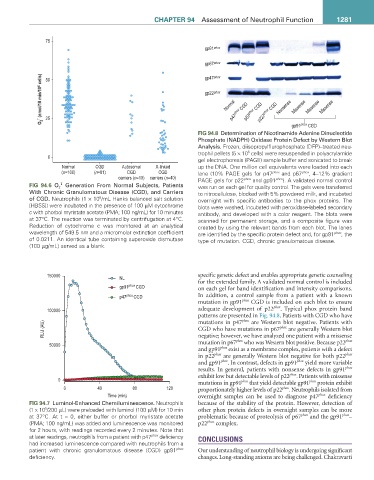
                                                                  FIG 94.8  Determination of Nicotinamide Adenine Dinucleotide
                                                                  Phosphate (NADPH) Oxidase Protein Defect by Western Blot
                                                                  Analysis. Frozen, diisopropylflurophosphate (DFP)–treated neu-
                                                                  trophil pellets (5 × 10  cells) were resuspended in polyacrylamide
                                                                                  6
                 0
                                                                  gel electrophoresis (PAGE) sample buffer and sonicated to break
                     Normal     CGD      Autosomal  X-linked      up the DNA. One million cell equivalents were loaded into each
                     (n=100)    (n=81)     CGD       CGD          lane (10% PAGE gels for p47 phox  and p67 phox , 4–12% gradient
                                        carriers (n=10)  carriers (n=40)  PAGE gels for p22 phox  and gp91 phox ). A validated normal control
                     •
           FIG 94.6  O 2  Generation From Normal Subjects, Patients   was run on each gel for quality control. The gels were transferred
           With Chronic Granulomatous Disease (CGD), and Carriers   to nitrocellulose, blocked with 5% powdered milk, and incubated
           of CGD. Neutrophils (1 × 10 /mL Hanks balanced salt solution   overnight with specific antibodies to the phox proteins. The
                                  6
           [HBSS]) were incubated in the presence of 100 µM cytochrome   blots were washed, incubated with peroxidase-labeled secondary
           c with phorbol myristate acetate (PMA; 100 ng/mL) for 10 minutes   antibody, and developed with a color reagent. The blots were
           at 37°C. The reaction was terminated by centrifugation at 4°C.   scanned for permanent storage, and a composite figure was
           Reduction of cytochrome c was monitored at an analytical   created by using the relevant bands from each blot. The lanes
           wavelength of 549.5 nm and a micromolar extinction coefficient   are identified by the specific protein defect and, for gp91 phox , the
           of 0.0211. An identical tube containing superoxide dismutase   type of mutation. CGD, chronic granulomatous disease.
           (100 µg/mL) served as a blank.


                150000                  NL                        specific genetic defect and enables appropriate genetic counseling
                                                                  for the extended family. A validated normal control is included
                                        gp91 phox  CGD            on each gel for band identification and intensity comparisons.
                                        p47 phox  CGD             In addition, a control sample  from a patient with a known
                                                                  mutation in gp91 phox  CGD is included on each blot to ensure
                100000                                            adequate development of p22 phox . Typical phox protein band
                                                                  patterns are presented in Fig. 94.8. Patients with CGD who have
                                                                                phox
               RLU (AU)                                           mutations  in  p47    are Western blot  negative.  Patients  with
                                                                                             phox
                                                                                                are generally Western blot
                                                                  CGD who have mutations in p67
                                                                  negative; however, we have analyzed one patient with a missense
                 50000                                            mutation in p67 phox  who was Western blot positive. Because p22 phox
                                                                  and gp91 phox  exist as a membrane complex, patients with a defect
                                                                  in p22 phox  are generally Western blot negative for both p22 phox
                                                                  and gp91 phox . In contrast, defects in gp91 phox  yield more variable
                                                                  results. In general, patients with nonsense defects in gp91 phox
                                                                  exhibit low but detectable levels of p22 phox . Patients with missense
                    0                                                           phox                  phox
                                                                  mutations in gp91   that yield detectable gp91   protein exhibit
                      0          40         80         120        proportionately higher levels of p22 phox . Neutrophils isolated from
                                    Time (min)                    overnight samples can be used to diagnose p47 phox  deficiency
           FIG 94.7  Luminol-Enhanced Chemiluminescence. Neutrophils   because of the stability of the protein. However, detection of
                5
           (1 x 10 /200 µL) were preloaded with luminol (100 µM) for 10 min   other phox protein defects in overnight samples can be more
           at 37°C. At t  = 0, either buffer or phorbol myristate acetate   problematic because of proteolysis of p67 phox  and the gp91 phox –
           (PMA; 100 ng/mL) was added and luminescence was monitored   p22 phox  complex.
           for 2 hours, with readings recorded every 2 minutes. Note that
           at later readings, neutrophils from a patient with p47 phox  deficiency   CONCLUSIONS
           had increased luminescence compared with neutrophils from a
           patient with chronic granulomatous disease (CGD) gp91 phox    Our understanding of neutrophil biology is undergoing significant
           deficiency.                                            changes. Long-standing axioms are being challenged. Chakravarti

