


Page 376 - Clinical Immunology_ Principles and Practice ( PDFDrive )
P. 376
356          Part two  Host Defense Mechanisms and Inflammation


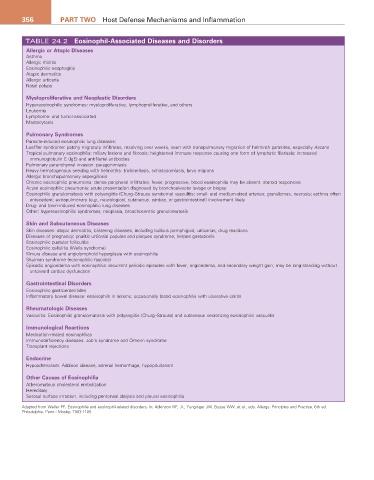
         TABLE 24.2  Eosinophil-associated Diseases and Disorders
          allergic or atopic Diseases
          Asthma
          Allergic rhinitis
          Eosinophilic esophagitis
          Atopic dermatitis
          Allergic urticaria
          Nasal polyps
          Myeloproliferative and Neoplastic Disorders
          Hypereosinophilic syndromes: myeloproliferative, lymphoproliferative, and others
          Leukemia
          Lymphoma- and tumor-associated
          Mastocytosis

          Pulmonary Syndromes
          Parasite-induced eosinophilic lung diseases:
          Loeffler syndrome: patchy migratory infiltrates, resolving over weeks, seen with transpulmonary migration of helminth parasites, especially Ascaris
          Tropical pulmonary eosinophilia: miliary lesions and fibrosis; heightened immune response causing one form of lymphatic filariasis; increased
           immunoglobulin E (IgE) and antifilarial antibodies
          Pulmonary parenchymal invasion: paragonimiasis
          Heavy hematogenous seeding with helminths: trichinellosis, schistosomiasis, larva migrans
          Allergic bronchopulmonary aspergillosis
          Chronic eosinophilic pneumonia: dense peripheral infiltrates, fever; progressive, blood eosinophilia may be absent; steroid responsive
          Acute eosinophilic pneumonia: acute presentation diagnosed by bronchoalveolar lavage or biopsy
          Eosinophilic granulomatosis with polyangiitis (Churg–Strauss syndrome) vasculitis: small- and medium-sized arteries; granulomas, necrosis; asthma often
           antecedent; extrapulmonary (e.g., neurological, cutaneous, cardiac, or gastrointestinal) involvement likely
          Drug- and toxin-induced eosinophilic lung diseases
          Other: hypereosinophilic syndromes, neoplasia, bronchocentric granulomatosis

          Skin and Subcutaneous Diseases
          Skin diseases: atopic dermatitis, blistering diseases, including bullous pemphigoid, urticarias, drug reactions
          Diseases of pregnancy: pruritic urticarial papules and plaques syndrome, herpes gestationis
          Eosinophilic pustular folliculitis
          Eosinophilic cellulitis (Wells syndrome)
          Kimura disease and angiolymphoid hyperplasia with eosinophilia
          Shulman syndrome (eosinophilic fasciitis)
          Episodic angioedema with eosinophilia: recurrent periodic episodes with fever, angioedema, and secondary weight gain; may be long-standing without
           untoward cardiac dysfunction
          Gastrointestinal Disorders
          Eosinophilic gastroenteritides
          Inflammatory bowel disease: eosinophils in lesions; occasionally blood eosinophilia with ulcerative colitis
          rheumatologic Diseases
          Vasculitis: Eosinophilic granulomatosis with polyangiitis (Churg–Strauss) and cutaneous necrotizing eosinophilic vasculitis
          Immunological reactions
          Medication-related eosinophilias
          Immunodeficiency diseases: Job’s syndrome and Omenn syndrome
          Transplant rejections
          Endocrine
          Hypoadrenalism: Addison disease, adrenal hemorrhage, hypopituitarism
          other Causes of Eosinophilia
          Atheromatous cholesterol embolization
          Hereditary
          Serosal surface irritation, including peritoneal dialysis and pleural eosinophilia
        Adapted from Weller PF. Eosinophilia and eosinophil-related disorders. In: Adkinson NF, Jr., Yunginger JW, Busse WW, et al., eds. Allergy: Principles and Practice, 6th ed.
        Philadelphia, Penn.: Mosby; 2003:1105.

