


Page 801 - Clinical Immunology_ Principles and Practice ( PDFDrive )
P. 801
772          Part six  Systemic Immune Diseases


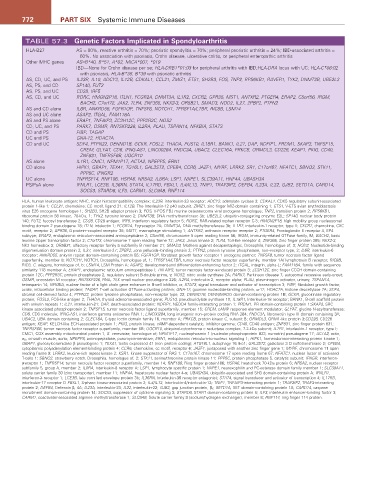
         TABLE 57.3  Genetic Factors implicated in spondyloarthritis
          HLA-B27         AS = 90%, reactive arthritis = 70%; psoriatic spondylitis = 70%; peripheral psoriatic arthritis = 24%; IBD-associated arthritis =
                           60%. No association with psoriasis, Crohn disease, ulcerative colitis, or peripheral enteropathic arthritis
          Other MHC genes  AS=B*40, B*51, A*02, MICA*007, *019
                          IBD—None for Crohn disease per se; HLA-DRB1*01:03 for peripheral arthritis with IBD;HLA-DRA locus with UC; HLA-C*06:02
                           with psoriasis, HLA-B*38, B*39 with psoriatic arthritis
          AS, CD, UC, and PS  IL23R, IL10, ADCY3, IL12B, CDKAL1, CCL21, ZMIZ1, ETS1, SH2B3, FOS, TNP2, RPS6KB1, RAVER1, TYK2, DNMT3B, UBE2L3
          AS, PS, and CD  SP140, FUT2
          AS, PS, and UC  CD28, IRF5
          AS, CD, and UC  RORC, HMGN2P18, ITLN1, FCGR2A, DNMT3A, IL1R2, CXCR2, GPR35, MST1, ANTXR2, PTGER4, ERAP2, C5orf56, IRGM,
                           BACH2, C7orf72, JAK2, TLR4, ZNF365, NKX2-3, OR5B21, SMAD3, NOD2, IL27, ZPBP2, PTPN2
          AS and CD alone  IL6R, ANKRD55, FGFR1OP, TNFSF8, NOTCH1, TFRSF1A/LTBR, RIC8B, LSM14
          AS and UC alone  ASAP2, ITGAL, FAM118A
          AS and PS alone  ERAP1, TNFAIP3, ZC3H12C, PPP2R3C, NOS2
          CD, UC, and PS  PARK7, OSMR, RN7SKP226, IL2RA, PLAU, TSPAN14, NFKBIA, STAT3
          CD and PS       FIBP, TAGAP
          UC and PS       GNA-12, HDAC7A
          CD and UC       SDF4, PTPN22, DENND1B, GCKR, FOSL2, THADA, PUS10, IL18R1, BANK1, IL21, DAP, NDFIP1, PRDM1, SKAP2, TNFSF15,
                           CREM, GLYAT, CD6, IFNG-AS1, LINC00284, FNDC3A, UBAC2, CLEC16A, PRKCB, ORMDL3, CD226, KEAP1, PKIG, CD40,
                           ZNF831, TNFRSF6B, UQCR10
          AS alone        IL1R1, CMC1, NPM1P17, ACTA2, NPEPPS, ERN1
          CD alone        HIPK1, GBAP1, TEX41, TG16L1, GAL3ST2, CPEB4, CCR6, JAZF1, MYRF, LRRK2, SR1, C17orf67, NFATC1, SBNO2, STK11,
                           PPP5C, IFNGR2
          UC alone        TNFRSF14, RNF186, HSPA6, NR5A2, IL8RA; LSP1, NXPE1, SLC39A11, HNF4A, UBASH3A
          PS/PsA alone    IFNLR1, LCE3B, IL36RN, STAT4, IL17RD, FBXL1, IL4/IL13, TNIP1, TRAF3IP2, DEFB4, IL23A, IL22, GJB2, SETD1A, CARD14,
                           SOCS3, STARD6, ILF3, CARM1, SLC9A8, RNF114
        HLA, human leukocyte antigen; MHC, major histocompatibility complex; IL23R, interleukin-23 receptor; ADCY3, adenylate cyclase 3; CDKAL1, CDK5 regulatory subunit-associated
        protein 1-like 1; CCL21, chemokine; CC motif, ligand 21; IL12B, The Interleukin-12 p40 subunit; ZMIZ1, zinc finger MIZ-domain containing 1; ETS1, V-ETS avian erythroblastosis
        virus E26 oncogene homologue 1; SH2B3, SH2B adaptor protein 3; FOS, V-FOS FBJ murine osteosarcoma viral oncogene homologue; TNP2, transition protein 2; RPS6KB1,
        ribosomal protein S6 kinase, 70-kDa, 1; TYK2, tyrosine kinase 2; DNMT3B, DNA methyltransferase 3b; UBE2L3, ubiquitin-conjugating enzyme E2L; SP140, nuclear body protein
        140; FUT2, fucosyl transferase 2; CD28, CD28 antigen; IRF5, interferon regulatory factor 5; RORC, RAR-related orphan receptor C-3; HMGN2P18, high mobility group nucleosomal
        binding domain 2 pseudogene 18; ITLN, intelectin 1; FCGR2A, Fcγreceptor 2A; DNMT3A, DNA methyltransferase 3b; IL1R2, interleukin-1 receptor, type II; CXCR2, chemokine, CXC
        motif, receptor 2; GPR35, G protein–coupled receptor 35; MST1, macrophage stimulating 1; ANTXR2, anthraxin receptor receptor 2; PTGER4, Prostaglandin E receptor 4, EP4
        subtype; ERAP2, endoplasmic reticulum–associated aminopeptidase 2; C5orf56, chromosome 5 open reading frame 56; IRGM, immunity-related GTPase family, M; BACH2, basic
        leucine zipper transcription factor 2; C7orf72, chromosome 7 open reading frame 72; JAK2, Janus kinase 2; TLR4, Toll-like receptor 4; ZNF365, Zinc finger protein 365; NKX2-3,
        NK2 homeobox 3; OR5B21, olfactory receptor family 5 subfamily B member 21; SMAD3, Mothers against decapentaplegic, Drosophila, homologue of, 3; NOD2, Nucleotide-binding
        oligomerization domain protein 2; IL27, interleukin-27; ZPBP2, zona pellucida–binding protein 2; PTPN2, protein tyrosine phosphatase, non–receptor type, 2; IL6R, interleukin-6
        receptor; ANKRD55, ankyrin repeat domain–containing protein 55; FGFR1OP, fibroblast growth factor receptor 1 oncogene partner; TNFSF8, tumor necrosis factor ligand
        superfamily, member 8; NOTCH1, NOTCH, Drosophila, homologue of, 1; TFRSF1A/LTBR, tumor necrosis factor receptor superfamily, member 1A/ lymphotoxin B receptor; RIC8B,
        RIC8, C. elegans, homologue of, b; LSM14, LSM Protein A; ASAP2, development-and differentiation-enhancing factor 2; ITGAL, integrin, alpha-L; FAM118A, family with sequence
        similarity 118 member A; ERAP1, endoplasmic reticulum aminopeptidase I; TNFAIP3, tumor necrosis factor-α-induced protein 3; ZC3H12C, zinc finger CCCH domain-containing
        protein 12C; PPP2R3C, protein phosphatase 2, regulatory subunit B-double prime, γ; NOS2, nitric oxide synthase 2A; PARK7, Parkinson disease 7, autosomal recessive early-onset;
        OSMR, oncostatin M receptor; RN7SKP226, RNA, 7SK small nuclear pseudogene 226; IL2RA, interleukin-2, receptor alpha; PLAU, plasminogen activator, urinary; TSPAN14,
        tetraspanin 14; NFKBIA, nuclear factor of κ light chain gene enhancer in B-cell inhibitor, α; STAT3, signal transducer and activator of transcription 3; FIBP, fibroblast growth factor,
        acidic, intracellular binding protein; TAGAP, T-cell activation GTPase-activating protein; GNA-12, guanine nucleotide-binding protein, α-12; HDAC7A, histone deacetylase 7A; SDF4,
        stromal cell-derived factor 4; PTPN22, protein tyrosine phosphatase, non–receptor type, 22; DENND1B, DENN/MADD domain-containing protein 1B; GCKR, glucokinase regulatory
        protein; FOSL2, FOS-like antigen 2; THADA, thyroid adenoma-associated gene; PUS10, pseudouridylate synthase 10; IL18R1, Interleukin-18 receptor; BANK1, B-cell scaffold protein
        with ankyrin repeats 1; IL21, interleukin-21; DAP, death-associated protein; NDFIP1, NEDD4 family-interacting protein 1; PRDM1, PR domain-containing protein 1;SKAP2, SRC
        kinase associated phosphoprotein 2; TNFSF15, tumor necrosis factor ligand superfamily, member 15; CREM, cAMP response element modulator; GLYAT, glycine N-acyltransferase;
        CD6, CD6 molecule; IFNG-AS1, interferon gamma antisense RNA 1; LINC00284, long intergenic non–protein coding RNA 284; FNDC3A, fibronectin type III domain containing 3A;
        UBAC2, UBA domain containing 2; CLEC16A, C-type lectin domain family 16, member A; PRKCB, protein kinase C, subunit B; ORMDL3, ORM1-like protein 3;CD226, CD226
        antigen; KEAP, KELCH-like ECH-associated protein 1; PKIG, protein kinase, cAMP-dependent catalytic, inhibitor gamma; CD40, CD40 antigen; ZNF831, zinc finger protein 831;
        TNFRSF6B, tumor necrosis factor receptor superfamily, member 6B; UQCR10, ubiquinol-cytochrome c reductase complex, 7.2-kDa subunit; IL1R1, interleukin-1 receptor, type I;
        CMC1, COX assembly mitochondrial protein 1, S. cerevisiae, homologue of; NPM1P17, nucleophosmin 1 (nucleolar phosphoprotein B23, numatrin) pseudogene 17; ACTA2, actin,
        α 2, smooth muscle, aorta; NPEPPS, aminopeptidase, puromycin-sensitive; ERN1, endoplasmic reticulum-to-nucleus signaling 1; HIPK1, homeodomain-interacting protein kinase 1;
        GBAP1, glucosylceramidase β pseudogene 1; TEX41, testis expressed 41 (non–protein coding); ATG16L1, autophagy 16-like1; GAL3ST2, galactose-3-O-sulfotransferase 2; CPEB4,
        cytoplasmic polyadenylation element-binding protein 4; CCR6, chemokine, cc motif, receptor 6; JAZF1, juxtaposed with another zinc finger gene 1; MYRF, chromosome 11 open
        reading frame 9; LRRK2, leucine-rich repeat kinase 2; KSR1, kinase suppressor of RAS 1; C17orf67, chromosome 17 open reading frame 67; NFATC1, nuclear factor of activated
        T-cells 1; SBNO2, strawberry notch, Drosophila, homologue of, 2; STK11, serine/threonine protein kinase 11; PPP5C, protein phosphatase 5, catalytic subunit; IFNGR, interferon-
        γreceptor 1; TNFRSF14, tumor necrosis factor receptor superfamily, member 14; RNF186, Ring finger protein186; HSPA6, heat-shock 70-kDa protein 6; NR5A2, nuclear receptor
        subfamily 5, group A, member 2; IL8RA, interleukin-8 receptor A; LSP1, lymphocyte specific protein 1; NXPE1, neurexophilin and PC-esterase domain family member 1; SLC39A11,
        solute carrier family 39 (zinc transporter), member 11; HNF4A, hepatocyte nuclear factor 4-α; UBASH3A, ubiquitin-associated and SH3 domain-containing protein A; IFNLR1,
        interferon-λ receptor 1; LCE3B, late cornified envelope protein 3b; IL36RN, Interleukin-36 receptor antagonist; STAT4, signal transducer and activator of transcription 4; IL17RD,
        interleukin-17 receptor D FBXL1, S-phase kinase-associated protein 2; IL4/IL13, Interleukin-4/interleukin-13; TNIP1, TNFAIP3-interacting protein 1; TRAF3IP2, TRAF3-interacting
        protein 2; DEFB4, Defensin β, 4A; IL23A, interleukin-23; IL22, interleukin-22; GJB2, gap junction protein, β 2 ; SETD1A, SET domain-containing protein 1A; CARD14, caspase
        recruitment domain-containing protein 14; SOCS3, suppressor of cytokine signaling 3; STARD6, START domain-containing protein 6; ILF3, interleukin enhancer–binding factor 3;
        CARM1, coactivator-associated arginine methyltransferase 1; SLC9A8, Solute carrier family 9 (sodium/hydrogen exchanger), member 8; RNF114, ring finger 114 protein.

