


Page 1199 - Hall et al (2015) Principles of Critical Care-McGraw-Hill
P. 1199
836     PART 6: Neurologic Disorders


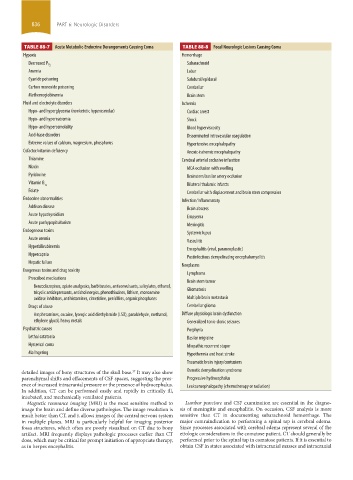
                   TABLE 88-7    Acute Metabolic-Endocrine Derangements Causing Coma    TABLE 88-8    Focal Neurologic lesions Causing Coma
                  Hypoxia                                               Hemorrhage
                                                                          Subarachnoid
                    Decreased P O 2
                    Anemia                                                Lobar
                    Cyanide poisoning                                     Subdural/epidural
                    Carbon monoxide poisoning                             Cerebellar
                    Methemoglobinemia                                     Brain stem
                  Fluid and electrolyte disorders                       Ischemia
                    Hypo- and hyperglycemia (nonketotic hyperosmolar)     Cardiac arrest
                    Hypo- and hypernatremia                               Shock
                    Hypo- and hyperosmolality                             Blood hyperviscosity
                    Acid-base disorders                                   Disseminated intravascular coagulation
                    Extreme values of calcium, magnesium, phosphorus      Hypertensive encephalopathy
                  Cofactor/vitamin deficiency                             Anoxic-ischemic encephalopathy
                    Thiamine                                            Cerebral arterial occlusive infarction
                    Niacin                                                MCA occlusion with swelling
                    Pyridoxine                                            Brainstem/basilar artery occlusion
                    Vitamin B
                         12                                               Bilateral thalamic infarcts
                    Folate                                                Cerebellar with displacement and brain stem compression
                  Endocrine abnormalities                               Infection/Inflammatory
                    Addison disease                                       Brain abscess
                    Acute hypothyroidism                                  Empyema
                    Acute panhypopituitarism                              Meningitis
                  Endogenous toxins                                       Systemic lupus
                    Acute uremia                                          Vasculitis
                    Hyperbilirubinemia
                                                                          Encephalitis (viral, paraneoplastic)
                    Hypercapnia
                                                                          Postinfectious demyelinating encephalomyelitis
                    Hepatic failure
                                                                        Neoplasms
                  Exogenous toxins and drug toxicity
                                                                          Lymphoma
                    Prescribed medications                                Brain stem tumor
                       Benzodiazepines, opiate analgesics, barbiturates, anticonvulsants, salicylates,  ethanol,
                     tricyclic antidepressants, anticholinergics, phenothiazines, lithium, monoamine     Gliomatosis
                       oxidase inhibitors, antihistamines, cimetidine, penicillins, organic phosphates    Multiple brain metastasis
                    Drugs of abuse                                        Cerebellar glioma
                       Amphetamines, cocaine, lysergic acid diethylamide (LSD), paraldehyde, methanol,   Diffuse physiologic brain dysfunction
                     ethylene glycol, heavy metals                        Generalized tonic-clonic seizures
                  Psychiatric causes                                      Porphyria
                    Lethal catatonia                                      Basilar migraine
                    Hysterical coma                                       Idiopathic recurrent stupor
                    Malingering                                           Hypothermia and heat stroke
                                                                          Traumatic brain injury/contusions
                 detailed images of bony structures of the skull base.  It may also show     Osmotic demyelination syndrome
                                                       37
                 parenchymal shifts and effacements of CSF spaces, suggesting the pres-    Progressive hydrocephalus
                 ence of increased intracranial pressure or the presence of hydrocephalus.     Leukoencephalopathy (chemotherapy or radiation)
                 In addition, CT can be performed easily and rapidly in critically ill,
                 intubated, and mechanically ventilated patients.
                   Magnetic resonance imaging (MRI) is the most sensitive method to   Lumbar puncture and CSF examination are essential in the diagno-
                 image the brain and define diverse pathologies. The image resolution is   sis of meningitis and encephalitis. On occasion, CSF analysis is more
                 much better than CT, and it allows images of the central nervous system   sensitive than CT in documenting subarachnoid hemorrhage. The
                 in multiple planes. MRI is particularly helpful for imaging posterior   major contraindication to performing a spinal tap is cerebral edema.
                 fossa structures, which often are poorly visualized on CT due to bony   Since processes associated with cerebral edema represent several of the
                 artifact. MRI frequently displays pathologic processes earlier than CT   etiologic considerations in the comatose patient, CT should generally be
                 does, which may be critical for prompt initiation of appropriate therapy,   performed prior to the spinal tap in comatose patients. If it is essential to
                 as in herpes encephalitis.                            obtain CSF in states associated with intracranial masses and intracranial


            section06.indd   836                                                                                       1/23/2015   12:56:24 PM

